
Cardio vs Weightlifting: Which Is Better for Weight Loss in 2026?
When starting a weight loss journey, one of the most common questions is: Should you focus on cardio or weightlifting? The answer isn’t as simple as choosing one over the other. Both forms of exercise offer unique benefits—and understanding how they work can help you lose weight faster and more effectively.
In this guide, we’ll break down cardio, weight training, and HIIT, and show you how to combine them for the best results.
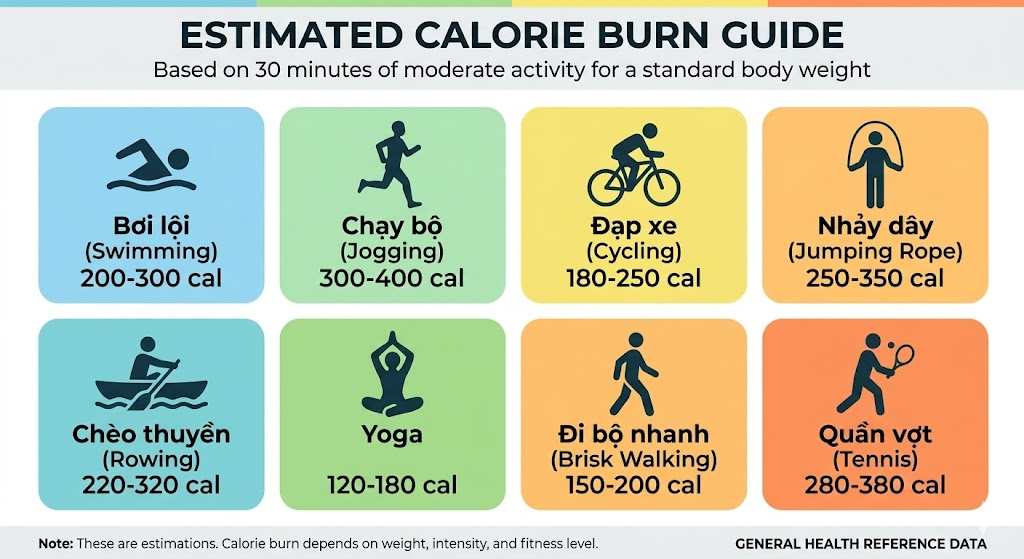
Cardio exercises like running, cycling, or swimming are well-known for their ability to burn calories quickly.
- A moderate cardio session typically burns more calories per minute than weightlifting
- Increasing intensity (like sprinting or fast cycling) boosts calorie burn even more
- The more you weigh, the more calories you’ll burn during each session
Example:
A 30-minute moderate cycling session burns significantly more calories than a 30-minute weightlifting session.
Key Takeaway
If your goal is quick calorie burn, cardio is highly effective. However, weight loss still depends on maintaining a calorie deficit (burning more than you consume).
Why Weightlifting Is Essential for Fat Loss
Weight training may burn fewer calories during the workout—but its long-term impact is powerful.
Benefits of Weightlifting:
- Builds lean muscle mass
- Increases your resting metabolism
- Helps your body burn more calories—even at rest
- Creates an afterburn effect (calories burned after exercise)
Muscle tissue requires more energy than fat, meaning the more muscle you have, the more calories your body burns daily.
Key Takeaway
Weightlifting is ideal for changing body composition, helping you lose fat while maintaining or building muscle.
HIIT: Burn More Calories in Less Time
High-Intensity Interval Training (HIIT) combines short bursts of intense exercise with recovery periods.
Why HIIT Works:
- Burns a high number of calories in 10–30 minutes
- Can burn 25–30% more calories than traditional workouts
- Combines benefits of both cardio and strength training
- Improves endurance and metabolism
Example HIIT routine:
- 20 seconds sprint
- 20 seconds walk
- Repeat for 15–20 minutes
Key Takeaway
HIIT is perfect if you want maximum efficiency—burning fat in less time.
Cardio vs Weights vs HIIT: Which Is Best?
Here’s a quick comparison:
| Workout Type | Best For | Key Benefit |
|---|---|---|
| Cardio | Burning calories fast | High calorie burn per session |
| Weightlifting | Building muscle & metabolism | Long-term fat loss |
| HIIT | Saving time | Efficient fat burning |
The truth: There is no single “best” workout. The most effective strategy is combining all three.
How Much Should You Exercise?
For optimal health and weight management:
- 150 minutes of moderate activity per week (or 75 minutes intense)
- 2 days of strength training
- Add HIIT sessions if you want faster results
Even daily activities like walking, cleaning, or taking the stairs contribute to calorie burn.
Best Workout Strategy for Weight Loss
To maximize fat loss and overall fitness:
Combine workout types:
- Cardio for calorie burn
- Weightlifting for muscle growth
- HIIT for efficiency
Stay consistent:
Consistency matters more than intensity alone.
Focus on total movement:
The more active you are throughout the day, the better your results.
Diet + Exercise: The Real Key to Success
No workout plan works without proper nutrition.
For long-term weight loss:
- Maintain a calorie deficit
- Eat nutrient-dense foods
- Avoid extreme dieting
- Stay consistent over time
Your body burns calories even at rest (this is your basal metabolic rate), but combining diet and exercise significantly improves results.
Final Verdict: What Should You Choose?
- Cardio helps you burn more calories during workouts
- Weightlifting boosts metabolism and builds muscle
- HIIT delivers fast, efficient fat loss
Best approach: Combine all three with a balanced diet.
This strategy not only helps you lose weight, but also improves your strength, endurance, and overall health.
Pro Tip
Before starting any new workout or diet plan, consult a healthcare professional—especially if you’re new to exercise.
Conclusion
There’s no one-size-fits-all answer to weight loss. The most effective plan is one you can stick to consistently. Mix cardio, strength training, and HIIT, fuel your body properly, and you’ll see sustainable results over time.
Leave a Reply