
11 Expert-Backed Tips for Better Sleep: Simple Fixes That Actually Work
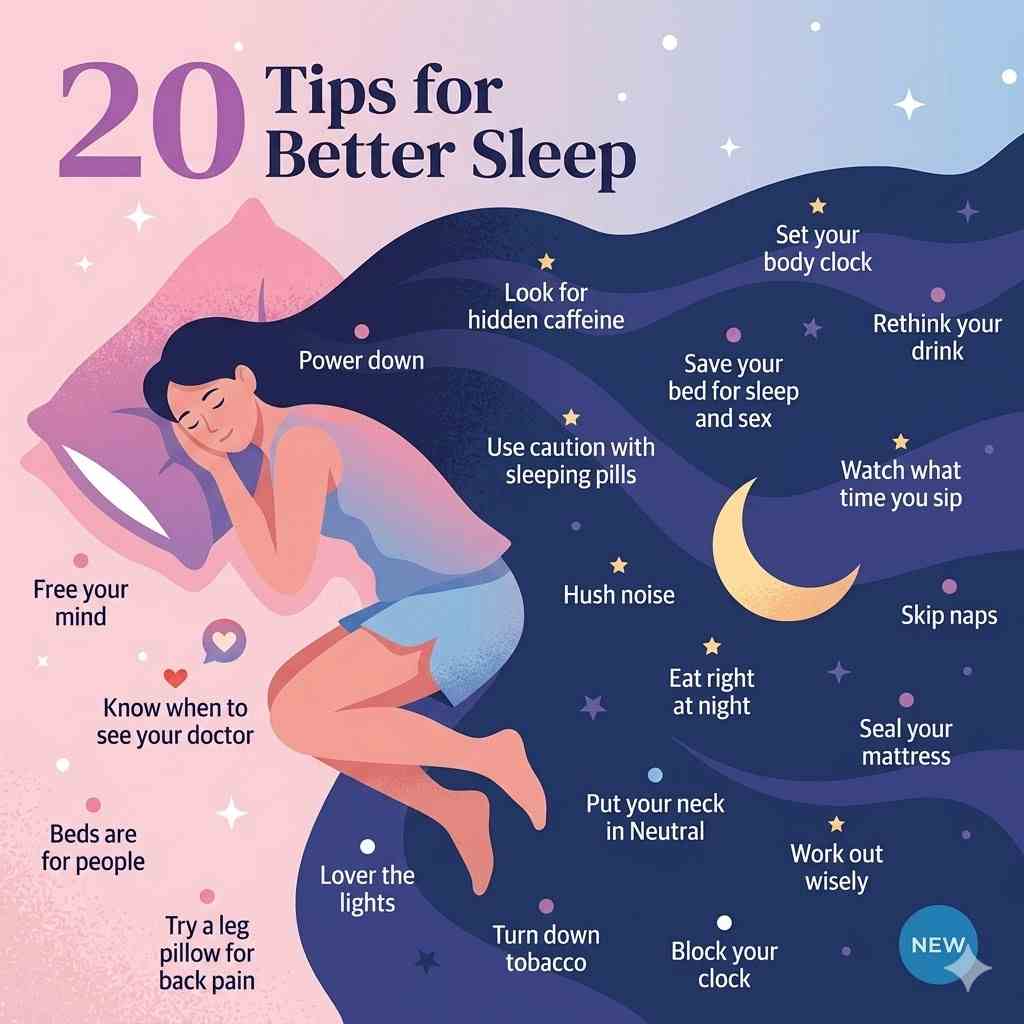
Struggling to fall asleep or stay asleep? You’re not alone. Millions of people worldwide deal with sleep problems—from occasional restlessness to chronic insomnia. Even sleep experts admit they have sleepless nights.
The difference? They know what actually works.
In this SEO-optimized guide, discover 11 simple, science-backed strategies to improve your sleep quality naturally and wake up feeling refreshed.
Why Sleep Matters More Than You Think
Poor sleep doesn’t just make you tired—it can affect:
- Mental clarity and focus
- Mood and emotional balance
- Immune function
- Heart health
The good news is that small, consistent changes can dramatically improve your sleep.
1. Stop Trying Too Hard to Sleep
It sounds counterintuitive, but forcing yourself to sleep can make it harder.
What to Do Instead
- Try “paradoxical intention”—stay awake on purpose
- Keep your eyes open and relax
This reduces performance anxiety and helps sleep come naturally.
2. Keep Your Bed for Sleep Only
Your brain should associate your bed with sleep—not scrolling or working.
Tip
- Sit or stand if using devices at night
- Only lie down when you feel sleepy
This technique, known as stimulus control, trains your brain to fall asleep faster.
3. Eat Sleep-Supporting Foods
Your diet can influence how well you sleep.
Best Foods for Sleep
- Fruits and vegetables
- Whole grains
- Nuts and seeds (walnuts, pistachios)
- Cherries (natural source of melatonin)
A fiber-rich, balanced diet can improve sleep quality and reduce disturbances.
4. Get Morning Sunlight (“Photon Shower”)
Exposure to natural light in the morning helps regulate your internal clock.
How to Do It
- Spend 20–40 minutes outdoors in the morning
- Walk, drink coffee, or commute outside
This helps your body know when to wake up—and when to sleep.
5. Stick to a Consistent Sleep Schedule
Regular sleep and wake times are more important than total sleep duration.
Why It Matters
- Improves sleep quality
- Supports your circadian rhythm
- Reduces long-term health risks
6. Don’t Panic About Waking Up at Night
Waking up in the middle of the night is normal for some people.
Reframe It
- Consider “biphasic sleep” (two sleep phases)
- Stay calm and relaxed
Reducing anxiety about sleep often improves it.
7. Use Mental Distraction Techniques
If your mind is racing, give it something else to focus on.
Try These
- Count backwards in sevens
- Visualize a peaceful place
- Play word or alphabet games
Simple distractions can quiet overthinking.
8. Try Magnesium for Relaxation
Magnesium may help improve sleep quality and duration.
Options
- Magnesium sprays or supplements
- Epsom salt baths
Always consult a healthcare professional before supplementation.
9. Listen to Calm Audio or Podcasts
A relaxing voice can help distract your mind from stress.
Tips
- Choose calm, low-stimulation content
- Avoid exciting or funny shows
- Set a sleep timer (e.g., 15 minutes)
10. Keep Your Environment Dark and Comfortable
Light exposure at night can disrupt sleep.
Optimize Your Sleep Space
- Use blackout curtains or eye masks
- Avoid turning on bright lights at night
- Maintain a comfortable temperature
11. Stay Active During the Day
Regular exercise improves sleep quality significantly.
Best Practices
- Aim for at least 30 minutes of activity
- Exercise 4–8 hours before bedtime
- Include walking, cycling, or swimming
Physical activity helps you fall asleep faster and sleep deeper.
Bonus Tip: Write It Down Before Bed
Journaling can help clear your mind.
Try This Method
- Write down tasks and worries
- Use color-coding:
- Red: Can’t control
- Yellow: Do tomorrow
- Green: Act now
This creates a sense of control and reduces anxiety.
When to Seek Help
If sleep problems persist and affect your daily life, consider consulting a healthcare professional or sleep specialist.
Signs you may need help:
- Chronic insomnia
- Daytime fatigue
- Difficulty concentrating
- Ongoing stress or anxiety
Conclusion
Better sleep doesn’t require complicated solutions. By applying these simple, expert-backed strategies—like managing light exposure, improving habits, and calming your mind—you can significantly improve your sleep quality.
Start with one or two changes, stay consistent, and build a routine that works for you.
Disclaimer
This article is for informational purposes only and does not replace professional medical advice. Always consult a qualified healthcare provider for personalized recommendations.
Leave a Reply