
Healthy Diet: The Ultimate Guide to Balanced Nutrition for a Better Life (2026)http://better life 2026
Published: January 26, 2026
Introduction: Why a Healthy Diet Matters
A healthy diet plays a vital role in shaping both individual and public health. Poor eating habits are one of the leading risk factors for chronic diseases and disabilities worldwide. By adopting balanced nutrition, you can protect your body against malnutrition, boost overall well-being, and reduce the risk of conditions such as heart disease, diabetes, stroke, and cancer.
Healthy eating isn’t just a short-term goal—it’s a lifelong commitment that begins early in life and continues through adulthood.
What Is a Healthy Diet?
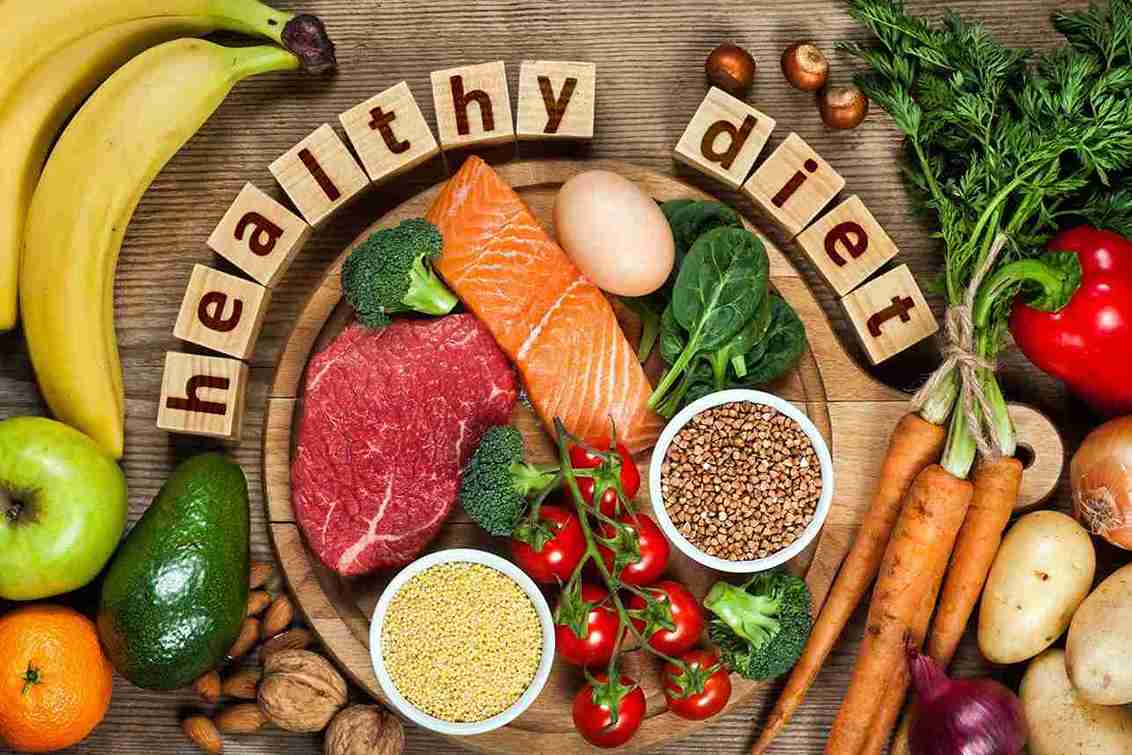
A healthy diet is not about strict restrictions or eliminating entire food groups. Instead, it focuses on four essential principles:
- Adequacy: Meeting your body’s nutritional needs without excess
- Balance: Aligning calorie intake with energy expenditure
- Moderation: Limiting harmful nutrients like sugar, salt, and unhealthy fats
- Diversity: Eating a wide variety of nutrient-rich foods
Together, these principles create a sustainable approach to long-term health.
Core Components of a Healthy Diet
1. Carbohydrates: Your Body’s Main Energy Source
Carbohydrates should make up 45–75% of your daily energy intake. Focus on unrefined sources such as:
- Whole grains (brown rice, oats, whole wheat)
- Fruits and vegetables
- Legumes (lentils, beans, chickpeas)
Tip: Aim for at least 400g of fruits and vegetables daily and 25g of dietary fiber for optimal health.
2. Sugars: Limit Your Intake
Free sugars should account for less than 10% of daily calories (ideally under 5%). These include sugars added to foods and beverages, as well as those found in honey, syrups, and fruit juices.
Reducing sugar intake helps prevent obesity, tooth decay, and metabolic diseases.
3. Fats: Choose Healthy Sources
Fats are essential, but quality matters more than quantity.
- Keep total fat intake below 30% of daily calories
- Prefer unsaturated fats (olive oil, nuts, fish, avocado)
- Limit saturated fats to less than 10%
- Avoid trans fats entirely
Replace fried foods with steamed or boiled options for better heart health.
4. Protein: Building Blocks of the Body
Protein supports muscle growth, hormones, and enzymes.
- Recommended intake: 10–15% of daily calories
- Sources include:
- Plant-based: beans, lentils, nuts, seeds
- Animal-based: fish, eggs, lean meat, dairy
A balanced mix of plant and animal protein is ideal for most people.
5. Salt, Sodium & Potassium: Keep It Balanced

High salt intake is linked to high blood pressure and heart disease.
- Limit salt to less than 5g per dayCardio or Weight Training: Which is the Best Choice for Weight Loss?
- Increase potassium intake through fruits and vegetables
Avoid processed foods and reduce salty condiments like soy sauce and packaged snacks.
6. Vitamins & Minerals: Essential Micronutrients
Your body needs small amounts of vitamins and minerals for proper function. Deficiencies can lead to serious health issues such as anemia and weakened immunity.
Include a variety of:
- Fruits and vegetables
- Whole grains
- Nuts and seeds
- Lean proteins
A diverse diet ensures you meet your micronutrient needs naturally.
Healthy Eating Across Life Stages
For Infants and Children
- Exclusive breastfeeding for the first 6 months
- Continue breastfeeding up to 2 years or beyond
- Introduce safe, nutrient-rich foods from 6 months
- Avoid added sugar and salt
Early nutrition supports growth, brain development, and long-term health.
Foods to Prioritize and Avoid
Eat More Of:
- Fresh fruits and vegetables
- Whole grains
- Legumes and nuts
- Lean proteins
Limit:
- Highly processed foods
- Sugary drinks
- Foods high in salt and unhealthy fats
Why Modern Diets Are a Concern
Today’s fast-paced lifestyle has led to increased consumption of processed foods high in sugar, salt, and unhealthy fats. At the same time, many people fail to consume enough fiber, fruits, and vegetables.
This shift contributes to rising rates of obesity and noncommunicable diseases globally.
How to Build Healthy Eating Habits
- Cook more meals at home
- Read nutrition labels carefully
- Control portion sizes
- Choose whole foods over processed options
- Stay consistent rather than perfect
Small, sustainable changes lead to long-term success.
Conclusion
A healthy diet is the foundation of a healthy life. By focusing on balance, variety, and moderation, you can significantly improve your physical and mental well-being.
Start today by making smarter food choices—your future self will thank you.
SEO Keywords
healthy diet, balancedTop 5 Most Recommended Cosmetic Products to Buy Right Now nutrition, healthy eating tips, daily nutrition guide, diet for health, clean eating, healthy lifestyle 2026
Leave a Reply