
The Power of Small Habits: Transform Your Life One Step at a Time
Want to improve your life without feeling overwhelmed? The secret isn’t massive change—it’s small, consistent habits. These tiny daily actions may seem insignificant at first, but over time, they create powerful, lasting transformation.
In this SEO-optimized guide, you’ll learn the science behind small habits, practical strategies to build them, and how they can lead to big results in your personal and professional life.
Why Small Habits Matter
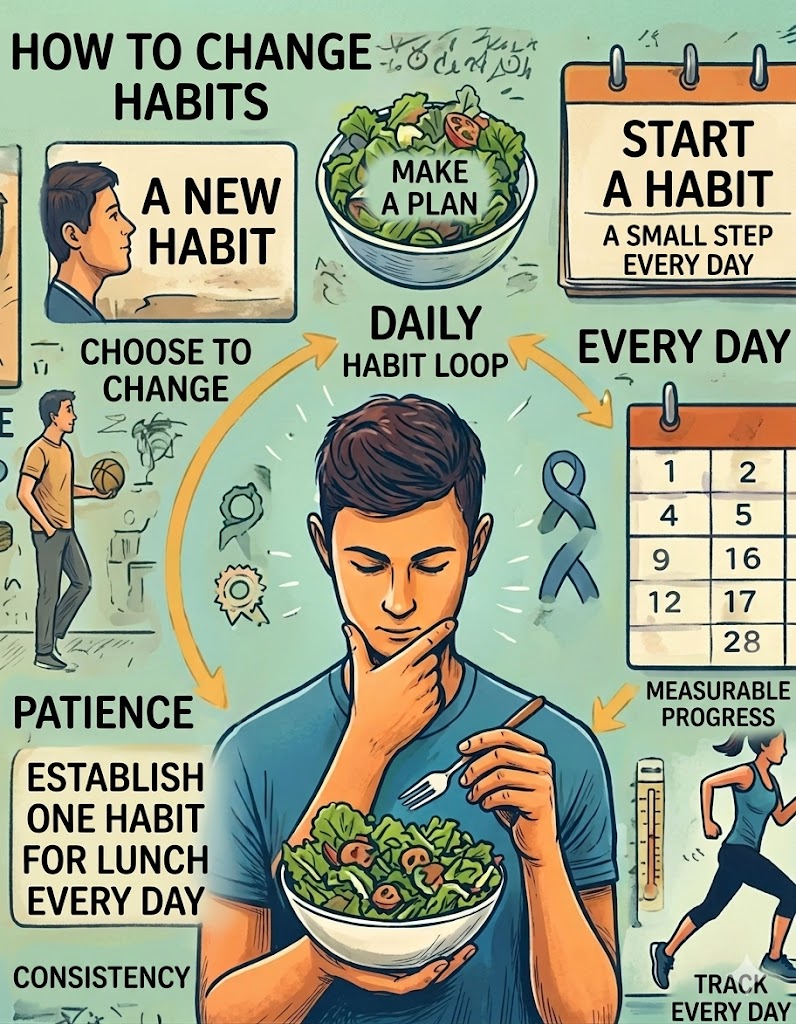
Many people set big goals—losing weight, learning a new skill, or becoming more productive—but often lose motivation quickly. The problem? Big changes are hard to sustain.
Small habits, on the other hand, are:
- Easy to start
- Simple to maintain
- Highly effective over time
They are the building blocks of long-term success and personal growth.
The Compound Effect of Tiny Actions
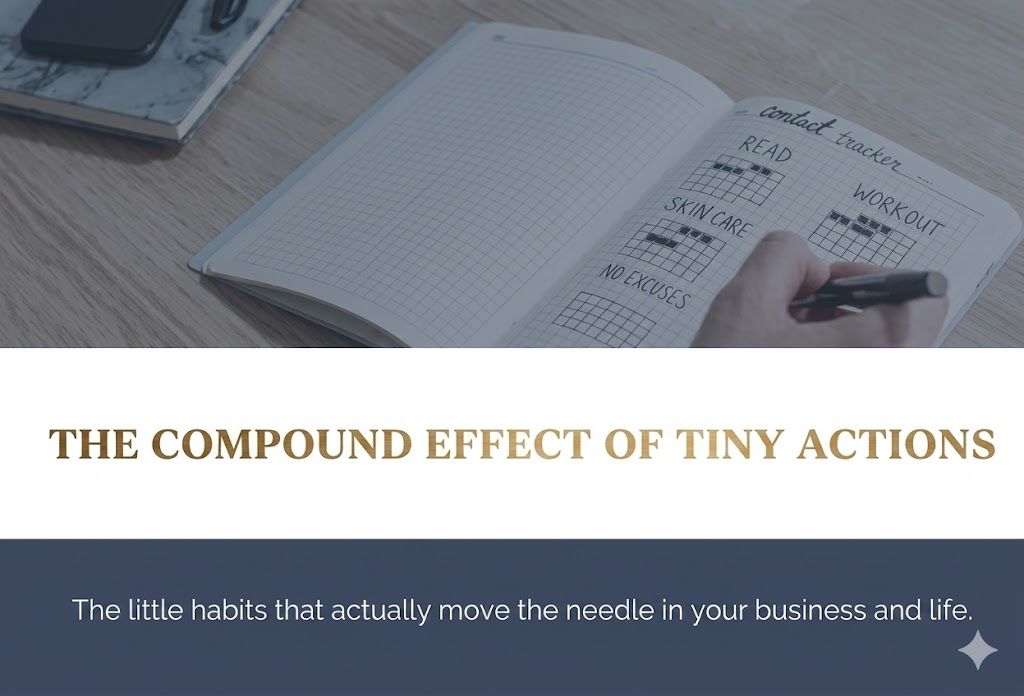
Small habits work because of the compound effect. Just like saving money with interest, your efforts multiply over time.
For example:
- One page of reading daily = multiple books per year
- One short workout daily = improved fitness over months
- A small productivity boost = major career progress
Improving just 1% each day can lead to dramatic results over time.
Why Small Habits Work
- Low resistance: Easy to begin, no excuses
- Consistency: Fit naturally into daily routines
- Momentum: Small wins build confidence
- Flexibility: Easy to scale as you grow
The Science Behind Habit Formation
Habits are formed through a simple loop:
- Cue → Trigger (e.g., morning coffee)
- Routine → Action (e.g., writing)
- Reward → Benefit (e.g., satisfaction or enjoyment)
Experts like James Clear and Charles Duhigg emphasize that systems and environment matter more than motivation.
When you design your habits around cues and rewards, success becomes automatic.
How to Build Small Habits That Stick
1. Start Extremely Small
Choose habits so easy you can’t fail:
- One push-up
- One paragraph of reading
- One minute of meditation
2. Attach Habits to Existing Routines
This technique, known as habit stacking, makes consistency easier:
- After brushing your teeth → meditate for 1 minute
- After lunch → take a short walk
3. Track Your Progress
Use a journal, checklist, or habit tracker to visualize your progress and stay motivated.
4. Celebrate Small Wins
Even tiny progress matters. Recognizing it builds confidence and keeps you going.
Real-Life Examples of Small Habits
Small habits can lead to powerful outcomes:
- Writing 50 words daily → a full article in a month
- Walking 5 minutes daily → a consistent fitness routine
- Daily stretching → improved flexibility and health
Even top performers use micro-habits to maintain consistency and long-term success.
Common Challenges (And How to Overcome Them)
1. Expecting Instant Results
Real change takes time. Focus on consistency, not speed.
2. Perfectionism
Missing one day doesn’t ruin progress. Just get back on track.
3. Lack of Motivation
Make habits enjoyable:
- Listen to music while working
- Pair habits with something you love
- Turn progress into a game
From Small Habits to Big Results
Once a habit becomes automatic, you can expand it:
- 2 minutes of meditation → 10 minutes
- Short journaling → deeper reflection
- Light exercise → full workouts
This process is called habit stacking and scaling, and it’s key to sustainable growth.
Final Thoughts: Start Small, Win Big
Small habits are the foundation of lasting success. Whether your goal is better health, increased productivity, or personal growth, the key is consistency—not perfection.
Start with one tiny habit today. Stick with it. Let it grow.
Leave a Reply