
Introduction
A 7-day gym workout plan can be incredibly effective—but only if it’s structured correctly. Training every day of the week requires careful planning to avoid overtraining, maximize recovery, and ensure consistent progress. Whether your goal is muscle growth, strength, or overall fitness, this guide will show you how to design a sustainable and results-driven weekly routine.
Key Takeaways
- A 7-day workout routine demands clear goals, proper nutrition, and quality sleep.
- Training volume must be balanced to avoid fatigue and injury.
- Not every day should be intense—recovery-focused sessions are essential.
- Smart exercise selection and progression are key to long-term success.
How to Structure a 7-Day Workout Plan
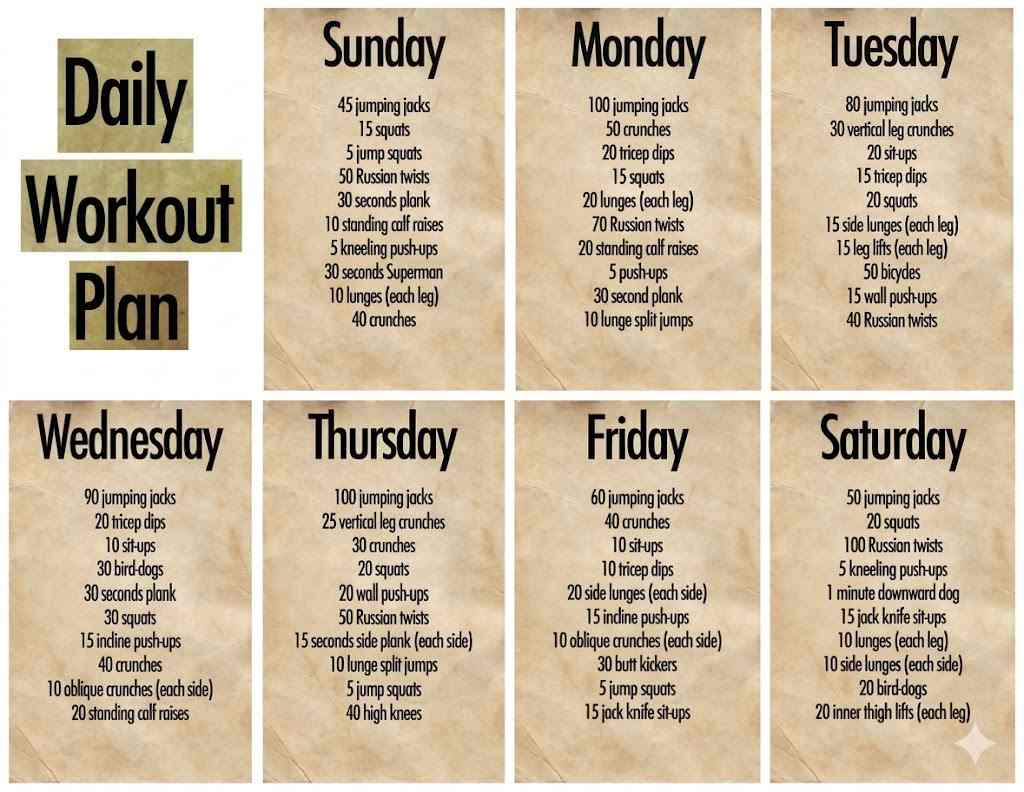
Before starting, consider three key factors:
- Your fitness level
- Your training goals (muscle gain, strength, fat loss)
- Your available time
Important Rule
The more advanced you are, the more recovery your body needs. This means fewer exercises per session and smarter programming.
Popular 7-Day Workout Splits

1. Push/Pull/Legs Split (Hypertrophy Focus)
- Day 1: Push (Chest, Triceps)
- Day 2: Pull (Back, Biceps)
- Day 3: Legs (Quads)
- Day 4: Push (Shoulders)
- Day 5: Pull (Back, Biceps)
- Day 6: Legs (Glutes, Hamstrings)
- Day 7: Core & Accessories
Ideal for muscle growth and balanced development.
2. Upper/Lower Split
- Alternate between upper body and lower body workouts across 7 days
Great for maintaining training frequency while managing fatigue.
3. Strength-Based Split (Powerlifting Style)
Focus on compound lifts like:
- Squat
- Bench Press
- Deadlift
Best for building strength and performance.
Sets, Reps, and Intensity
- Hypertrophy: 8–12 reps
- Strength: 3–6 reps
- Endurance: 12–15 reps
Tip: Include at least one low-intensity or recovery-focused day each week.
Sample 7-Day Gym Workout Plan
Day 1 – Lower Body
- Back Squat: 4×5–8
- Romanian Deadlift: 4×5–8
- Walking Lunges: 3×10/side
- Back Extensions: 3×12
Day 2 – Upper Body
- Incline Bench Press: 4×5–8
- Lat Pulldown: 4×5–8
- Dumbbell Press: 4×10
- Dumbbell Row: 4×10
Day 3 – Shoulders & Arms
- Shoulder Press: 4×6
- Skull Crushers: 4×8
- Lateral Raises: 4×12
- Bicep Curls: 4×12
Day 4 – Lower Body (Posterior Focus)
- Deadlift: 4×5
- Hack Squat: 4×12
- Hamstring Curl: 4×12
- Sled Push: 4 rounds
Day 5 – Upper Body
- Bench Press: 4×5–8
- T-Bar Row: 4×6–8
- Incline Dumbbell Press: 4×10
- Cable Pulldown: 4×10
Day 6 – Lower Body
- Back Squat: 4×6
- Goblet Squat: 4×12
- Cable Pull-Through: 3×15
- Sled Push: 4 rounds
Day 7 – Upper Body (Light/Recovery)
- Shoulder Press: 4×6
- Tricep Pushdown: 4×12
- Face Pull: 4×12
- Bicep Curl: 4×12
How to Progress Over Time
- Increase weights gradually each week
- Focus on improving one main lift per day
- Maintain performance rather than pushing max effort daily
- Listen to your body and adjust intensity when needed
Benefits of Training 7 Days a Week
Higher Training Frequency
Train each muscle group 2–4 times per week for faster growth.
Shorter Workouts
Spreading volume across 7 days allows more efficient sessions.
Break Through Plateaus
Adding extra sessions can help overcome stagnation in progress.
Drawbacks to Consider
Risk of Overtraining
Without proper recovery, performance and progress will decline.
Not Ideal for Beginners
New lifters should start with 3–5 days per week.
Requires Strict Recovery Habits
Sleep, nutrition, and stress management become critical.
Common Mistakes to Avoid
- Training too intensely every day
- Ignoring joint pain or fatigue
- Poor exercise selection
- Not eating enough or sleeping well
- Lifting too heavy (“ego lifting”)
Who Should Follow a 7-Day Workout Plan?
Suitable for:
- Advanced lifters
- Highly disciplined individuals
- Those already training 5–6 days consistently
Not suitable for:
- Beginners
- People with poor recovery habits
- Anyone with frequent fatigue or injuries
Common Gym Mistakes Beginners Must AvoidFinal Thoughts
A 7-day gym workout plan can deliver impressive results—but only if done intelligently. The key is balancing training intensity, recovery, and consistency.
If you’re not ready for daily training, a well-structured 5–6 day program can be just as effective—and often more sustainable.
Leave a Reply