
Gut Health Explained: How Your Microbiome Affects Brain, Immunity, and Disease Risk5 Minutes a Day for Effective Health Improvement
Your gut is far more than just a digestive organ—it’s a powerful system that influences your brain, immune defenses, and overall health. In recent years, research into the gut microbiome has revealed how deeply connected your intestines are to nearly every function in your body.
In this article, we’ll explore how your gut microbiome impacts your brain, strengthens immunity, and affects disease risk—plus simple, science-backed ways to improve your gut health naturally.
What Is the Gut Microbiome?
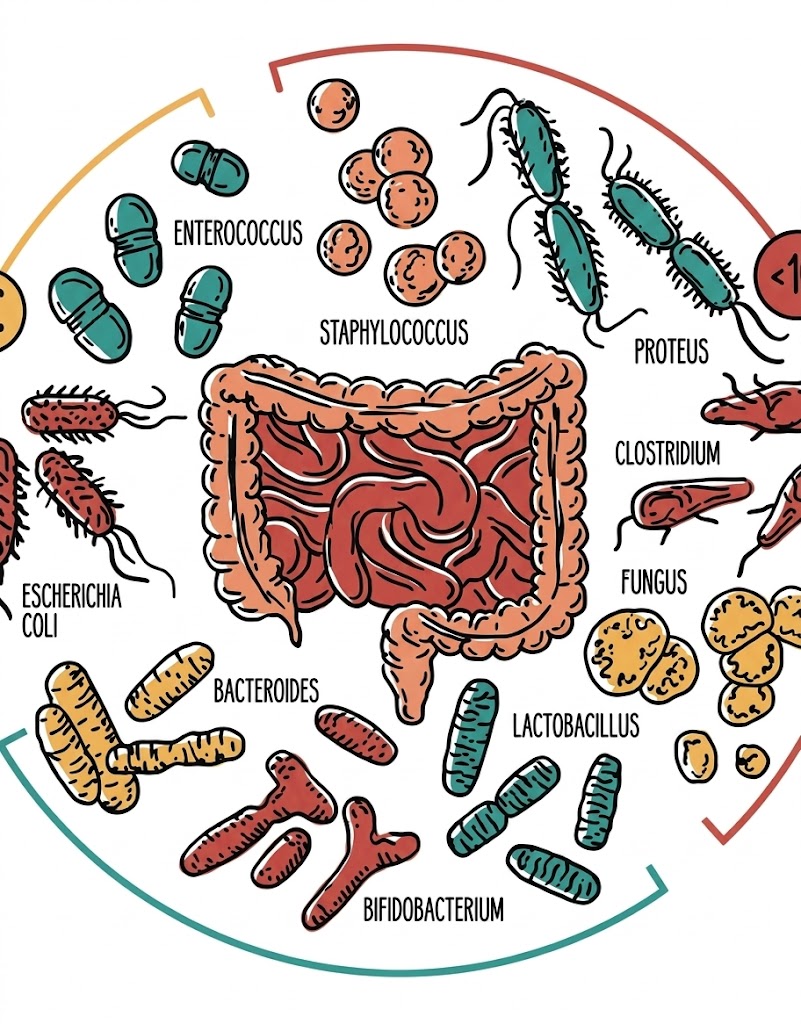
The gut microbiome refers to the trillions of microorganisms—mainly bacteria—living in your digestive tract. These microbes help break down food, produce essential nutrients, and maintain a balanced internal environment.
But their role goes far beyond digestion. Your gut communicates with your brain, supports your immune system, and even influences your mood and mental clarity.
The Gut-Brain Connection: How Your Gut Affects Your Mind
One of the most fascinating discoveries in modern health science is the gut-brain connection. This is a two-way communication network linking your digestive system and your central nervous system.
This connection works through:
- Hormones
- Neurotransmitters (brain chemicals like serotonin)
- Nerve pathways such as the vagus nerve
Why It Matters
- Stress can disrupt gut balance, causing bloating, pain, and irregular digestion
- An unhealthy gut may contribute to anxiety, mood swings, and brain fog
- A balanced microbiome supports emotional stability and cognitive function
Simply put, your brain affects your gut—and your gut affects your brain.
How Your Gut Supports the Immune System
A large portion of your immune system resides in your gut, specifically in a network called the gut-associated lymphoid tissue (GALT).
Key Functions of the Gut in Immunity
- Identifies harmful pathogens vs. harmless substances
- Produces beneficial compounds that strengthen the gut lining
- Reduces inflammation
- Sends early warning signals when infections arise
Healthy gut bacteria also produce short-chain fatty acids, which play a critical role in maintaining intestinal health and immune balance.
Why Gut Health Matters for Disease Prevention
An imbalanced gut microbiome (also known as dysbiosis) has been linked to a wide range of health conditions, including:
- Digestive disorders (bloating, IBS, acid reflux)
- Weakened immunity
- Chronic inflammation
- Mental health issues
- Metabolic diseases
The good news? Improving your gut health can positively influence these conditions and reduce long-term disease risk.
Simple Ways to Improve Gut Health Naturally
You don’t need drastic changes to support your gut. Small, consistent habits can make a big difference.
1. Eat More Fiber-Rich Foods
Include a variety of:
- Fruits and vegetables
- Whole grains
- Legumes
These feed beneficial gut bacteria and promote diversity.
2. Add Fermented Foods
Natural probiotics can be found in:
- Yogurt
- Kefir
- Pickles
- Kimchi
These help replenish healthy bacteria in your gut.
3. Reduce Processed Foods and Sugar
Highly processed foods and excess sugar can disrupt your microbiome and promote harmful bacteria growth.
4. Use Antibiotics Wisely
Only take antibiotics when necessary, as overuse can destroy beneficial gut bacteria.
5. Stay Active and Sleep Well
- Regular exercise supports digestion and microbial balance
- Quality sleep helps regulate gut function and overall health
6. Manage Stress Effectively
Chronic stress negatively impacts gut health.
Try:
- Yoga
- Meditation
- Deep breathing exercises
These practices help maintain both mental and digestive balance.
Final Thoughts
Your gut is a central player in your overall health—affecting your brain, immune system, and disease risk. By making small, intentional lifestyle changes, you can support a healthy microbiome and improve your well-being from the inside out.
Disclaimer
This article is for informational purposes only and does not replace professional medical advice. Always consult a qualified healthcare provider for personalized guidance regarding your health.
Leave a Reply