50 Bad Habits to Quit Today: Break Free and Build a Better LifeA 5-Minute Daily Habit That Helps You Improve Yourself Quickly
Meta Description: Discover 50 bad habits that may be holding you back and learn practical, science-backed strategies to break them for good and improve your health, productivity, and happiness.
Introduction: Why Bad Habits Are So Dangerous
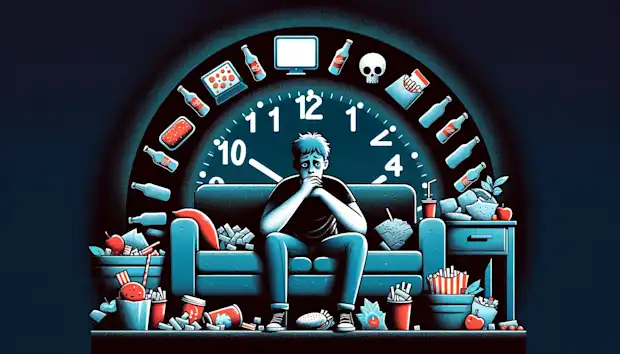
Bad habits don’t usually appear overnight—they develop quietly, becoming part of your daily routine without you even noticing. Over time, they chip away at your productivity, health, and overall happiness.
Whether it’s procrastinating, mindlessly scrolling on social media, or neglecting your well-being, these behaviors can prevent you from reaching your full potential. The good news? You can change them.
In this guide, you’ll discover:
- How to identify bad habits
- 50 common habits you should quit
- The real impact of these habits
- Proven strategies to replace them with positive behaviors
What Is a Bad Habit?
A bad habit is any repeated behavior that:
- Negatively affects your physical or mental health
- Slows your personal or professional growth
- Adds little to no value to your life
Key Signs of a Bad Habit:
- You do it automatically without thinking
- It helps you avoid discomfort or stress
- It creates long-term negative consequences
50 Bad Habits You Should Quit
Here are some of the most common unhelpful habits grouped by category:
Health & Lifestyle Habits
- Smoking or using harmful substances
- Overeating or emotional eating
- Not getting enough sleep
- Staying up late regularly
- Skipping meals (especially breakfast)
- Drinking too much alcohol
- Lack of exercise
- Poor hygiene
- Not drinking enough water
- Eating late at night
Mental & Emotional Habits
- Overthinking everything
- Constant complaining
- Comparing yourself to others
- Holding grudges
- Negative self-talk
- Ignoring mental health
- Dwelling on the past
- Avoiding problems instead of facing them
Productivity Killers
- Procrastination
- Multitasking excessively
- Constantly checking social media
- Being disorganized
- Not setting goals
- Wasting time on low-value tasks
- Binge-watching excessively
- Impulse shopping
Social & Relationship Habits
- People-pleasing
- Avoiding conflict
- Blaming others
- Lying or being dishonest
- Gossiping
- Oversharing
- Not listening actively
- Ignoring personal relationships
Hidden Bad Habits
- Saying “yes” to everything
- Resisting change
- Being consistently late
- Not asking for help
- Staying indoors too much
- Ignoring health checkups
- Neglecting personal growth
The Real Impact of Bad Habits
1. Damage to Your Health
Poor habits like lack of sleep, unhealthy eating, and inactivity can lead to:
- Chronic fatigue
- Weakened immunity
- Increased risk of disease
2. Reduced Productivity
Habits such as procrastination and distractions:
- Lower your efficiency
- Cause missed deadlines
- Limit career growth
3. Negative Effects on Mental Well-Being
Bad habits can:
- Increase stress and anxiety
- Lower self-esteem
- Create a cycle of negativity
4. Strained Relationships
Poor communication habits like blaming, gossiping, or not listening can:
- Break trust
- Damage connections
- Lead to isolation
How to Break Bad Habits (Step-by-Step)
Breaking bad habits isn’t about willpower—it’s about strategy and awareness.
Step 1: Identify Your Trigger
Every habit exists for a reason. Ask yourself:
- When does it happen?
- What emotion triggers it?
- What problem is it trying to solve?
Step 2: Replace It with a “Good Habit”
Instead of eliminating a habit, replace it with a healthier alternative.
Examples:
- Stress eating → Go for a short walk
- Scrolling social media → Read a book
- Procrastinating → Start with a 5-minute task
Step 3: Make It Easy and Obvious
Set yourself up for success:
- Remove distractions
- Prepare your environment
- Start small (very small!)
Step 4: Make It Enjoyable
Habits stick when they feel rewarding:
- Track your progress
- Celebrate small wins
- Turn it into a game
Step 5: Stay Consistent
Consistency beats intensity:
- Focus on daily improvement
- Accept setbacks as part of the process
- Keep going
Pro Tip: The “Golden Habit” Strategy
Instead of fighting bad habits, replace them with “golden habits”—positive actions that:
- Solve the same problem
- Provide a similar reward
- Move you forward in life
Example:
- Habit: Procrastination due to overwhelm
- Golden Habit: 15-minute focused work session
Conclusion: Small Changes, Big Results
Breaking bad habits is one of the most powerful steps you can take to improve your life. It doesn’t require perfection—just awareness, consistency, and the willingness to change.
Start small. Replace one habit at a time. Stay patient.
Over time, you won’t just eliminate bad habits—you’ll become a completely different version of yourself.
FAQs
How long does it take to break a bad habit?
It varies, but research suggests it can take anywhere from 21 to 66 days depending on the habit and consistency.
What is the fastest way to break a bad habit?
The most effective way is to:
- Identify the trigger
- Replace the behavior
- Make the new habit easy and rewarding
Can bad habits ever be completely eliminated?
Yes—but only when they are replaced with better alternatives, not just removed.
Call to Action:
Which bad habit are you ready to quit today? Start with one small change—and build momentum from there.
Leave a Reply