
What Are the Consequences of a Sedentary Lifestyle? Risks, Mental Health Effects, and Practical Solutions
Introduction: Why a Sedentary Lifestyle Is a Growing Health Concern
In today’s digital world, many people spend hours sitting—whether working at a desk, commuting, or relaxing at home. This pattern of low physical activity is known as a sedentary lifestyle, and it has become a serious public health issue worldwide.
A sedentary lifestyle doesn’t just mean “not exercising.” It refers to prolonged periods of sitting or inactivity with very low energy expenditure, which can significantly impact both physical and mental health.
What Is a Sedentary Lifestyle?
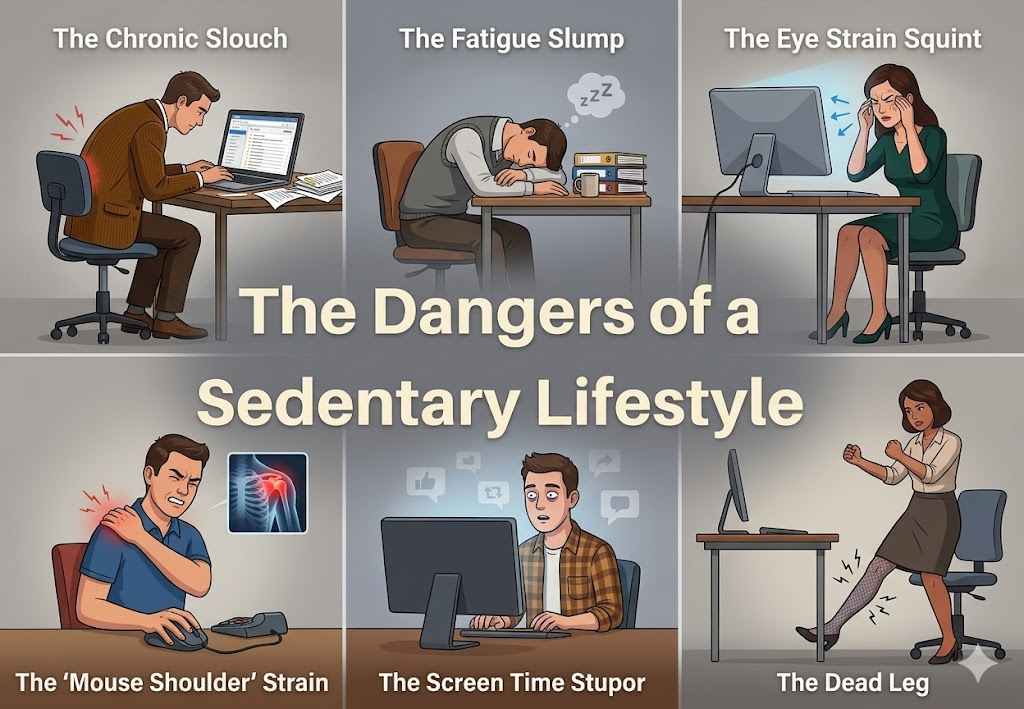
A sedentary lifestyle involves activities such as:
- Sitting at a desk for long hours
- Watching TV or using digital devices
- Lying down for extended periods (excluding sleep)
These activities typically burn very little energy and fall under low metabolic activity levels.
Health guidelines recommend that adults get at least 150 minutes of moderate physical activity per week, yet studies show that only a small percentage of people meet this standard.
Physical Dangers of a Sedentary Lifestyle
A lack of movement can lead to serious long-term health problems. Research consistently links sedentary behavior to:
1. Obesity
Sitting for long periods slows metabolism, making it easier to gain weight and harder to burn calories.
2. Type 2 Diabetes
Inactivity affects how the body regulates blood sugar, increasing the risk of insulin resistance.
3. Cardiovascular Disease
A sedentary routine can raise blood pressure, increase cholesterol levels, and weaken heart health.
4. Certain Types of Cancer
Some studies associate prolonged inactivity with a higher risk of cancers such as colon and breast cancer.
5. Increased Risk of Early Death
Long-term studies show that excessive sitting is linked to a higher risk of premature mortality—even among people who exercise occasionally.
How Sedentary Behavior Affects Your Body
Extended inactivity can:
- Slow down metabolism
- Reduce fat-burning efficiency
- Impair blood circulation
- Disrupt blood sugar control
- Increase inflammation in the body
Over time, these effects can significantly damage overall health.
Mental Health Effects of a Sedentary Lifestyle
Physical inactivity doesn’t just harm the body—it also affects the mind.
1. Higher Risk of Depression
Studies show a strong link between sedentary behavior and increased rates of depression.
2. Increased Anxiety and Stress
Lack of movement can reduce the production of endorphins, the body’s natural “feel-good” hormones.
3. Lower Overall Well-Being
People who sit for long periods often report reduced energy, motivation, and mental clarity.
Solutions: How to Break a Sedentary Lifestyle
The good news is that small, consistent changes can make a big difference.
1. Increase Physical Activity
Regular exercise is one of the most effective ways to reduce health risks.
Recommended routine:
- At least 150 minutes of moderate activity per week
- Combine:
- Cardio exercises (walking, running, cycling)
- Strength training (bodyweight or weights)
Even simple activities like walking can improve both physical and mental health.
2. Reduce Sitting Time
Even if you exercise regularly, sitting all day can still be harmful. Try to move more throughout the day:
Simple ways to stay active:
- Stand instead of sitting when possible
- Walk during breaks or lunch
- Set reminders to stand every 30 minutes
- Use stairs instead of elevators
- Walk while taking phone calls
- Do household chores or gardening
- Stretch or move during TV commercials
3. Create an Active Daily Routine
Building movement into your daily life is key to long-term success.
Try:
- Walking or cycling to work
- Taking short movement breaks
- Using a standing desk
- Scheduling regular exercise sessions
Why Physical Activity Matters
Research shows that regular movement can:
- Reduce the risk of chronic diseases
- Improve heart health
- Support weight management
- Boost mood and mental clarity
- Lower the risk of early death
Even moderate activity can lead to significant improvements in overall health.
Key Takeaways
- A sedentary lifestyle involves prolonged sitting and low energy activity
- It is linked to serious health risks, including obesity, diabetes, and heart disease
- It can negatively impact mental health, increasing the risk of depression
- Regular exercise and reducing sitting time are essential for prevention
- Small lifestyle changes can lead to long-term health benefits
Conclusion: Move More, Live Better
A sedentary lifestyle is one of the most common yet preventable health risks today. While modern life often encourages inactivity, making conscious efforts to move more can dramatically improve your health and well-being.
Start small—stand up, take a walk, stretch—and build from there. Your body and mind will thank you.
Leave a Reply