
Food Matters: 10 Essential Nutrition Principles for a Healthier Life
In today’s world of endless diet trends and conflicting nutrition advice, finding the right way to eat can feel overwhelming. The truth is, there’s no universal diet that works for everyone. Your body is unique, and your nutritional needs are shaped by your own biology, lifestyle, and preferences.
However, while nutrition is highly individual, there are fundamental principles that experts agree on. These proven guidelines can help you build a sustainable, healthy lifestyle—no matter where you are on your wellness journey.
In this guide, we’ll explore 10 essential nutrition principles to help you make smarter food choices and improve your overall health.
1. Eat as Nature Intended

The foundation of good nutrition starts with whole, natural foods. Highly processed meals filled with artificial additives and preservatives are far from what our bodies were designed to consume.
Focus on:
- Fresh fruits and vegetables
- Whole grains
- Nuts and seeds
- Herbs, seaweed, and mushrooms
- Free-range eggs and wild-caught fish
Eating foods in their natural state provides your body with vital nutrients, fiber, and antioxidants.
2. Choose Organic When Possible
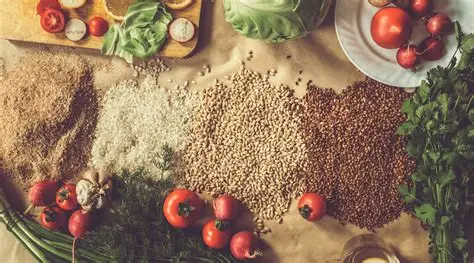
Organic foods are often richer in nutrients and free from harmful chemicals like pesticides and synthetic fertilizers.
Benefits of Organic Foods
- Higher vitamin and mineral content
- Reduced exposure to toxins
- Better for hormone and liver health
Whenever possible, choose locally grown, seasonal produce for maximum freshness and nutritional value.
3. Embrace Liquid Nutrition
Smoothies and fresh juices are an easy way to increase your intake of fruits and vegetables.
Instead of reaching for unhealthy snacks, try:
- Green smoothies with leafy vegetables
- Fresh fruit juices
- Protein-packed blended drinks
These options provide vitamins, minerals, fiber, and enzymes that support energy and overall wellness.
4. Limit Gluten Intake
Gluten, found in grains like wheat, barley, and rye, can be difficult for many people to digest.
Even if you don’t have gluten intolerance, reducing gluten may:
- Improve digestion
- Reduce inflammation
- Support gut health
Traditional preparation methods like soaking and fermentation can make grains easier to digest, but moderation is still key.
5. Avoid Processed Sugary Foods
Excess sugar and refined carbohydrates can negatively impact your health.
Risks of High Sugar Intake
- Blood sugar spikes and crashes
- Increased cravings
- Higher risk of heart disease and type 2 diabetes
Choose foods with a low glycemic index (GI) and combine carbohydrates with healthy fats to maintain stable energy levels.
6. Include Healthy Fats
Not all fats are bad—in fact, healthy fats are essential for your body.
Healthy Fat Sources
- Avocados
- Olive oil
- Nuts and seeds
- Coconut oil
- Fatty fish
These fats support:
- Brain function
- Hormone production
- Nutrient absorption
Avoid trans fats and heavily processed vegetable oils whenever possible.
7. Cook Smart and Preserve Nutrients
How you prepare your food matters just as much as what you eat.
Healthy Cooking Tips
- Use low to medium heat
- Avoid overheating oils
- Try steaming, sautéing, or slow cooking
- Incorporate raw foods when possible
Traditional techniques like fermenting, soaking, and sprouting can enhance nutrient absorption.
8. Choose Ethical and Sustainable Foods
Understanding where your food comes from is crucial for both your health and the environment.
Look for:
- Organic and free-range animal products
- Grass-fed meats
- Sustainably sourced fish
These options reduce exposure to antibiotics, hormones, and harmful chemicals.
9. Avoid Artificial Additives
Processed foods often contain additives that can disrupt your body’s natural balance.
Watch Out For
- Artificial sweeteners
- Flavor enhancers like MSG
- Preservatives and chemical additives
Always read labels and choose foods with simple, recognizable ingredients.
10. Eat Mindfully and Relax
Your eating habits are just as important as your food choices.
Eating in a rushed or stressed state can:
- Disrupt digestion
- Reduce nutrient absorption
- Cause bloating and discomfort
Practice Mindful Eating
- Slow down and chew thoroughly
- Avoid distractions like TV or phones
- Enjoy your meals in a calm environment
Healthy Nutrition: A Comprehensive Guide for BeginnersFinal Thoughts: Build Sustainable Healthy Habits
Healthy eating doesn’t have to be complicated. By following these 10 nutrition principles, you can create a balanced, nourishing diet that supports your long-term health.
Start small:
- Add more whole foods to your meals
- Reduce processed foods
- Pay attention to how your body responds
Leave a Reply