
A Beginner’s Guide to Healthy Eating: Build Better Nutrition Habits for Life
Healthy eating can feel overwhelming—especially with so much conflicting advice online. From trending diets to so-called “superfoods,” it’s easy to lose sight of what really matters. The truth is, good nutrition doesn’t have to be complicated.
This beginner-friendly guide will walk you through the fundamentals of healthy eating, explain essential nutrients, and provide practical meal ideas to help you build sustainable habits for long-term wellness.
What Is Healthy Eating?
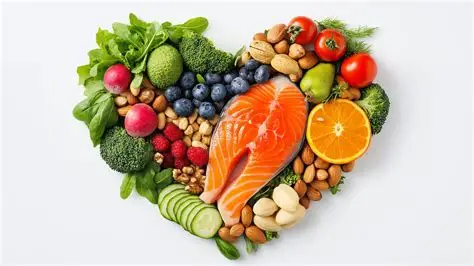
Healthy eating isn’t about strict diets, cutting out entire food groups, or depriving yourself of your favorite meals. Instead, it’s about nourishing your body with a balanced mix of nutrient-rich foods.
A healthy diet typically includes:
- Fruits and vegetables
- Whole grains
- Lean proteins
- Healthy fats
The key is variety and balance. Eating a wide range of foods ensures your body gets the vitamins, minerals, and nutrients it needs to function at its best.
Why Whole Foods Matter

Whole foods are foods that are as close to their natural state as possible. These include:
- Fresh fruits and vegetables
- Whole grains like oats and brown rice
- Nuts and seeds
- Lean proteins such as fish, beans, and poultry
Benefits of Whole Foods
- Rich in essential nutrients
- High in fiber for better digestion
- Support stable energy levels
- Promote better mental clarity
For example, eating an apple provides not only natural sugars but also fiber and vitamin C—making it far more beneficial than processed snacks.
Common Healthy Eating Myths (Debunked)
Myth 1: All Fats Are Bad
Not all fats are harmful. Healthy fats found in foods like avocados, nuts, and olive oil support heart and brain health.
Myth 2: Carbohydrates Should Be Avoided
Carbs are your body’s main energy source. Focus on complex carbs like whole grains and vegetables rather than refined sugars.
Myth 3: You Must Eliminate Certain Food Groups
Unless you have allergies or medical conditions, most food groups can be part of a balanced diet.
Understanding Macronutrients
Macronutrients are the nutrients your body needs in large amounts: protein, carbohydrates, and fats.
1. Protein
- Builds and repairs tissues
- Supports immune function
- Found in: chicken, fish, eggs, beans, tofu
2. Carbohydrates
- Primary energy source
- Best sources: whole grains, fruits, vegetables
3. Fats
- Essential for brain health and hormones
- Healthy sources: nuts, seeds, avocados, olive oil
Balancing these macronutrients helps maintain energy levels and overall health.
Understanding Micronutrients
Micronutrients include vitamins and minerals that your body needs in smaller amounts but are just as essential.
Important Vitamins
- Vitamin A: Vision and immune health
- Vitamin C: Immunity and antioxidant support
- Vitamin D: Bone health
- Vitamin K: Blood clotting and bone strength
Essential Minerals
- Calcium: Strong bones and teeth
- Iron: Oxygen transport in blood
- Magnesium: Muscle and nerve function
- Potassium: Fluid balance and heart health
A varied diet ensures you get enough of these nutrients naturally.
How Macronutrients and Micronutrients Work Together
Nutrients don’t work in isolation. For example:
- Vitamin D helps your body absorb calcium
- Healthy fats improve absorption of vitamins A, D, E, and K
That’s why a balanced diet is more effective than focusing on single nutrients.
10 Daily Habits That Help You Live a Healthy and Energetic LifePractical Healthy Meal Planning Tips
Planning balanced meals doesn’t have to be difficult. Follow these simple guidelines:
Build a Balanced Plate
- Protein: chicken, fish, tofu, beans
- Carbs: brown rice, quinoa, whole grains
- Fruits & Vegetables: fill half your plate
- Healthy Fats: olive oil, nuts, avocado
Healthy Meal Ideas
Breakfast
- Oatmeal with fruits and nuts
- Green smoothie with protein and seeds
- Greek yogurt with honey and fresh fruit
Lunch
- Quinoa salad with vegetables and grilled chicken
- Lentil soup with whole-grain bread
Dinner
- Baked salmon with vegetables and brown rice
- Stir-fried tofu with broccoli and peppers
Healthy Snacks
- Apple slices with almond butter
- Hummus with carrot and cucumber sticks
Making Healthy Eating a Lifestyle
Healthy eating isn’t about perfection—it’s about consistency. Small, sustainable changes can lead to long-term results.
Simple Ways to Start
- Add more whole foods to your meals
- Reduce processed food intake
- Stay hydrated
- Plan meals ahead of time
Remember, there’s no quick fix. Building healthy habits step by step is the key to lasting success.
Final Thoughts
Understanding the basics of nutrition empowers you to make smarter food choices every day. By focusing on balance, variety, and whole foods, you can improve your energy, support your health, and feel your best.
Start small, stay consistent, and let healthy eating become a natural part of your lifestyle.
Leave a Reply