
Preventing Heart Disease: Simple Lifestyle Changes to Protect Your Heart
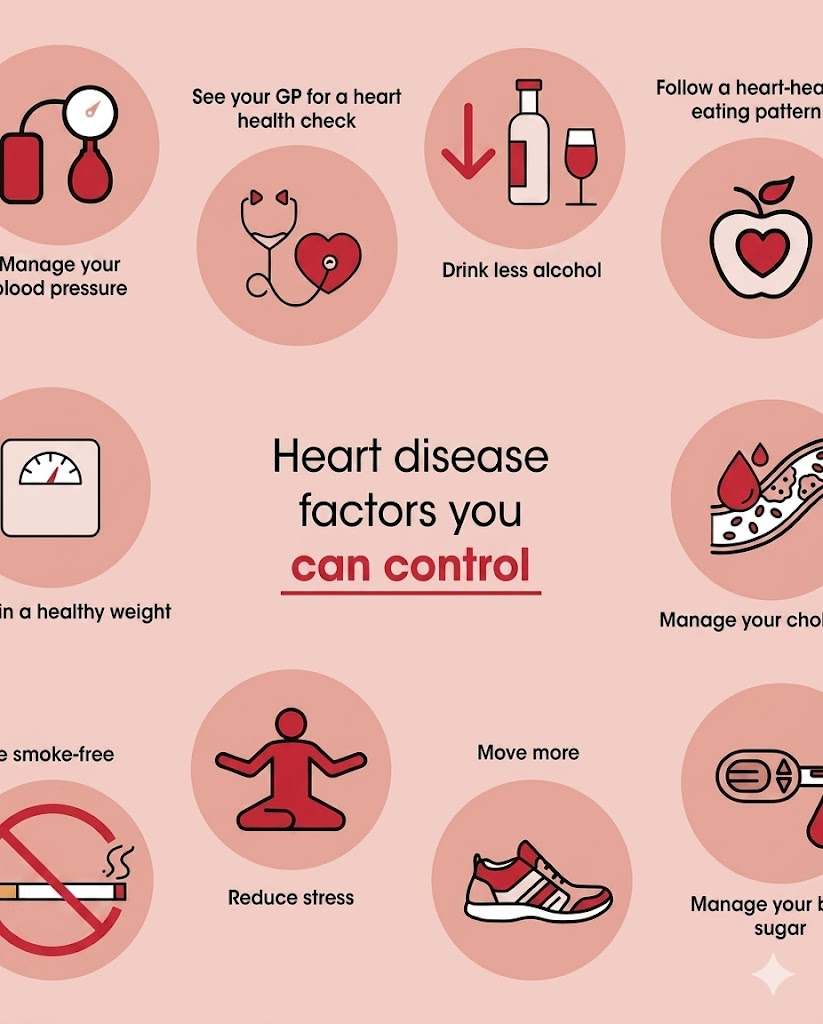
Heart disease remains one of the leading causes of death worldwide—but the good news is that it’s often preventable. By adopting healthy habits and managing existing medical conditions, you can significantly reduce your risk of heart disease and heart attacks.
In this comprehensive guide, you’ll learn practical, science-backed strategies to keep your heart healthy for life.
Why Heart Disease Prevention Matters
Your heart works tirelessly to keep your body functioning. Poor lifestyle choices—such as unhealthy eating, lack of exercise, and smoking—can increase your risk of serious conditions like high blood pressure, high cholesterol, and diabetes.
Taking preventive steps early can help you:
- Maintain healthy blood pressure and cholesterol levels
- Regulate blood sugar
- Reduce the risk of heart attack and stroke
- Improve overall longevity and quality of life
1. Choose Heart-Healthy Foods
Your diet plays a crucial role in heart health. Making smart food choices can help prevent and manage heart disease.
What to Eat More Of
- Fresh fruits and vegetables
- Whole grains
- High-fiber foods
- Lean proteins (fish, poultry, legumes)
What to Limit
- Saturated and trans fats
- Processed foods
- Excess salt (sodium)
- Added sugars
- Alcohol
A balanced diet helps lower cholesterol, control blood pressure, and reduce inflammation.
2. Maintain a Healthy Weight
Being overweight or obese puts extra strain on your heart and blood vessels, increasing the risk of heart disease.
To assess whether your weight is healthy, you can use the Body Mass Index (BMI) as a general guideline.
Tips to Maintain a Healthy Weight
- Eat portion-controlled meals
- Stay physically active
- Avoid excessive calorie intake
3. Stay Physically Active
Regular physical activity strengthens your heart and improves circulation.
Recommended Activity Levels
- Adults: At least 150 minutes of moderate exercise per week (e.g., brisk walking, cycling)
- Children and teens: At least 60 minutes daily
Benefits of Exercise
- Lowers blood pressure
- Improves cholesterol levels
- Helps control blood sugar
- Supports weight management
4. Avoid Smoking
Smoking is one of the biggest risk factors for heart disease. It damages blood vessels, raises blood pressure, and reduces oxygen in the blood.
Key Advice
- If you don’t smoke, don’t start
- If you do smoke, quitting can significantly reduce your risk
Seek professional support or cessation programs if needed.
5. Manage Your Medical Conditions
If you already have certain health conditions, controlling them is essential to preventing heart disease.
Monitor Your Cholesterol
- Get tested every 4–6 years (or more often if at risk)
- Follow medical advice if levels are high
Control Blood Pressure
High blood pressure often has no symptoms but can severely damage your heart over time.
- Check your blood pressure regularly
- Reduce sodium intake
- Follow prescribed treatments
Manage Diabetes
High blood sugar can damage blood vessels and increase heart disease risk.
- Monitor glucose levels
- Follow dietary and lifestyle recommendations
- Take medications as prescribed
6. Take Medications as Directed
If your doctor prescribes medication for cholesterol, blood pressure, or diabetes:
- Follow instructions carefully
- Do not stop without medical advice
- Ask questions if anything is unclear
Consistency is key to effective treatment.
7. Work With Your Healthcare Team
Preventing heart disease is a team effort. Regular check-ups and open communication with your healthcare provider can help you stay on track.
What You Should Do
- Discuss your risk factors
- Follow your treatment plan
- Ask questions during appointments
- Address both physical and mental health concerns
8. Build Long-Term Healthy Habits
Sustainable lifestyle changes are the foundation of heart health. Focus on:
- Balanced nutrition
- Regular exercise
- Stress management
- Quality sleep
These habits not only protect your heart but also improve your overall well-being.
Conclusion
Heart disease prevention starts with everyday choices. By eating well, staying active, avoiding smoking, and managing your health conditions, you can significantly lower your risk and live a healthier, longer life.
Small steps today can lead to big benefits for your heart tomorrow.
Disclaimer
This article is for informational purposes only and does not replace professional medical advice. Always consult a qualified healthcare provider for personalized guidance regarding your health.
Leave a Reply