
Nutritional Needs by Age: 10 Key Considerations for Lifelong Health
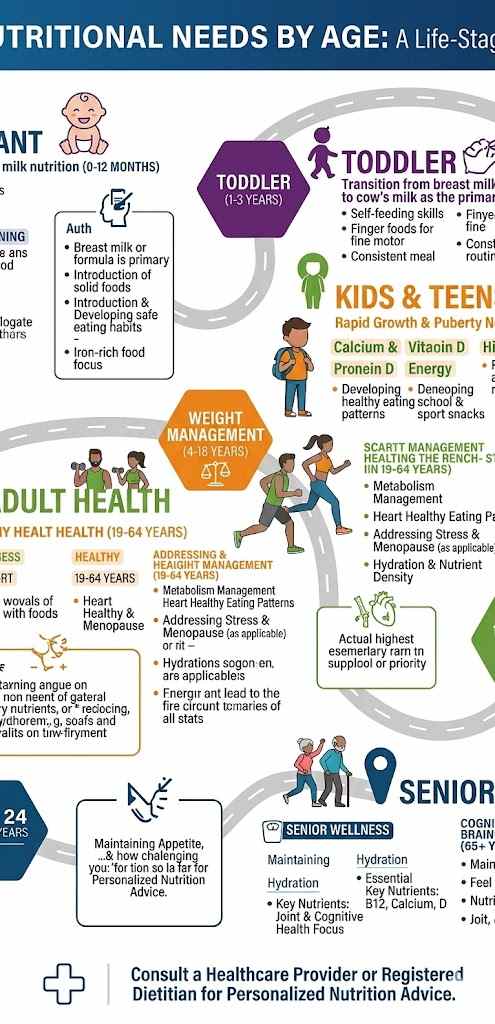
Nutrition is not one-size-fits-all. As we move through different stages of life, our bodies require different nutrients to support growth, energy, and overall well-being. From infancy to older adulthood, understanding age-specific nutritional needs is essential for preventing deficiencies and promoting long-term health.
In this comprehensive guide, we explore how nutritional requirements change across the lifespan—and what you can do to stay healthy at every age.
Why Nutrition Changes with Age
Your body constantly evolves due to:
- Growth and development
- Hormonal changes
- Metabolic shifts
- Activity levels
- Nutrient absorption capacity
Ignoring these changes can lead to health issues such as poor growth in children or increased risk of chronic diseases in adults.
1. Infancy (0–12 Months): Foundation for Growth
The first year of life is marked by rapid physical and brain development.
Key Nutritional Needs
- Breast milk (ideal for the first 6 months) or infant formula
- Iron-rich complementary foods after 6 months
- Fruits, vegetables, and cereals
Avoid added sugar and excess salt. Early exposure to healthy foods helps build lifelong eating habits.
2. Toddlers (1–5 Years): Building Healthy Eating Habits
Growth slows, but activity increases significantly.
Key Focus
- Small, frequent meals
- Nutrient-dense foods
- Full-fat dairy for energy and development
Encourage variety and repeated exposure to new foods to shape positive eating behaviors.
3. School-Age Children (6–10 Years): Fuel for Learning
Children need consistent energy for school and physical activities.
Important Nutrients
- Calcium and Vitamin D for bone health
- Iron for energy and focus
- Whole grains, fruits, and vegetables
Healthy meals support both physical growth and cognitive performance.
4. Adolescents (11–18 Years): Rapid Growth and Hormonal Changes
Teenagers experience growth spurts and increased nutritional demands.
Key Needs
- Higher calorie and protein intake
- Iron (especially for girls)
- Calcium and Vitamin D for peak bone mass
- Zinc for growth and development
Encourage balanced meals to counter fast food and sugary drink habits.
5. Young Adults (19–30 Years): Maintaining Peak Health
Growth stabilizes, and the focus shifts to maintaining energy and long-term health.
Recommendations
- Balanced diet with whole foods
- Adequate calcium and Vitamin D
- Iron intake (especially for women)
This is a critical stage for building lifelong healthy eating habits.
6. Mid-Adulthood (31–50 Years): Preventing Chronic Diseases
Metabolism begins to slow, making weight management more challenging.
Focus Areas
- Increase fiber intake
- Limit sugar, sodium, and unhealthy fats
- Include antioxidants from fruits and vegetables
A healthy diet helps reduce the risk of heart disease, diabetes, and other chronic conditions.
7. Pregnancy: Nutrition for Mother and Baby
Pregnancy significantly increases nutrient demands.
Essential Nutrients
- Folic acid (prevents birth defects)
- Iron (supports blood volume and fetal growth)
- Calcium & Vitamin D (bone health)
- Protein and Omega-3 fatty acids (brain development)
Focus on nutrient quality rather than simply increasing calorie intake.
8. Lactation (Breastfeeding): Supporting Milk Production
Breastfeeding mothers require more energy and nutrients.
Key Needs
- Extra calories (300–500 per day)
- Protein, calcium, and B vitamins
- Adequate hydration
A healthy diet ensures both maternal well-being and high-quality breast milk.
9. Older Adults (51–70 Years): Maintaining Strength and Health
Aging brings changes in metabolism and muscle mass.
Nutritional Priorities
- Protein to prevent muscle loss (sarcopenia)
- Calcium and Vitamin D for bone strength
- Vitamin B12 (absorption may decline)
- Adequate hydration
10. Seniors (71+ Years): Focus on Nutrient Density
Calorie needs decrease, but nutrient requirements remain high.
Key Considerations
- Easy-to-digest, nutrient-rich foods
- Adequate protein and fiber
- Hydration support
- Monitoring for deficiencies
Challenges like reduced appetite or dental issues may require dietary adjustments.
Tips for Healthy Nutrition at Any Age
- Eat a variety of whole, unprocessed foods
- Stay hydrated throughout the day
- Maintain regular physical activity
- Adjust portion sizes based on age and activity level
- Consult healthcare professionals for personalized advice
Conclusion
Your nutritional needs evolve throughout life, and adapting your diet accordingly is essential for maintaining optimal health. From infancy to senior years, making informed food choices can support growth, prevent disease, and enhance quality of life.
Investing in proper nutrition today sets the foundation for a healthier tomorrow—at every stage of life.
Disclaimer
This article is for informational purposes only and does not replace professional medical advice. Always consult a qualified healthcare provider or nutritionist for personalized guidance.
Leave a Reply