13 Proven Strategies to Relieve Stress and Improve Your Well-Being
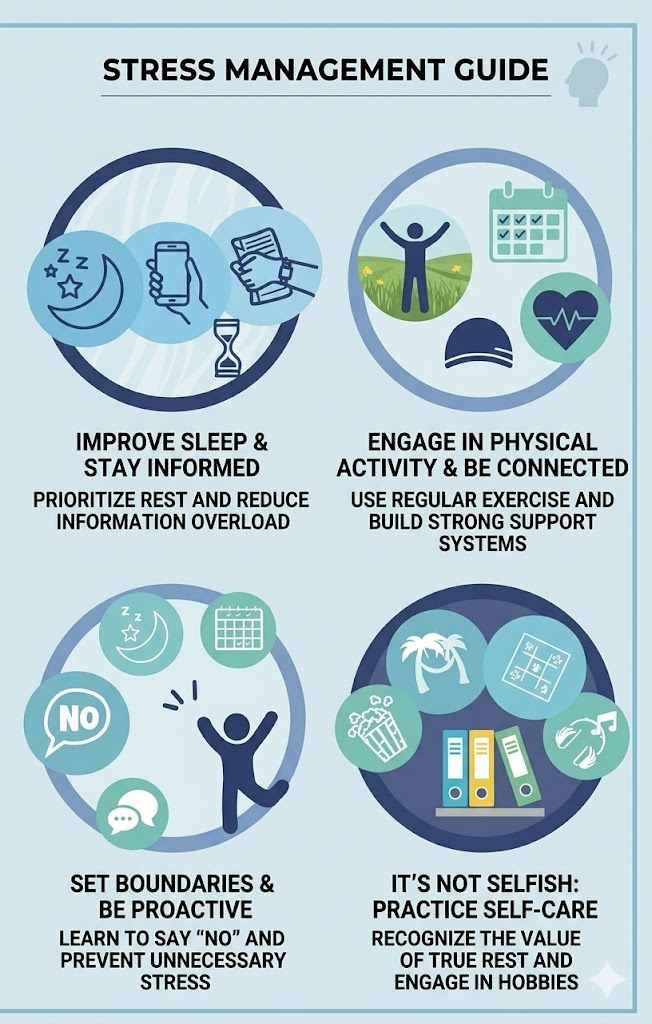
Stress is a natural part of life—but when it becomes chronic, it can negatively impact both your physical and mental health. From increased inflammation to a higher risk of heart disease, unmanaged stress can take a serious toll on your well-being.
The good news? There are simple, science-backed strategies you can use to reduce stress and improve your quality of life. In this guide, we’ll explore 13 effective ways to manage stress naturally.
Why Managing Stress Is Important
Chronic stress can lead to:
- Anxiety and depression
- Sleep problems
- High blood pressure
- Fatigue and burnout
- Digestive issues
Learning how to manage stress is essential for maintaining both emotional balance and overall health.
1. Practice Mindfulness
Mindfulness helps you stay present and manage overwhelming thoughts.
Benefits
- Reduces stress and anxiety
- Improves focus
- Supports immune health
Simple practices like meditation or mindful breathing can make a big difference.
2. Use Relaxation Techniques
Relaxation techniques help calm your body and mind.
Try This
- Progressive muscle relaxation
- Gentle stretching
- Guided relaxation exercises
These methods can lower heart rate, reduce muscle tension, and promote calmness.
3. Improve Time Management
Poor time management often leads to stress and overwhelm.
Tips
- Prioritize important tasks
- Break projects into smaller steps
- Create a realistic schedule
Better organization helps you feel more in control and less anxious.
4. Build Emotional Resilience
Resilience helps you recover from challenges more effectively.
How to Build It
- Practice self-care
- Maintain a positive mindset
- Set realistic goals
- Learn from past experiences
5. Try Volunteering
Helping others can boost your mood and reduce stress.
Why It Works
- Increases happiness
- Enhances sense of purpose
- Improves mental health
Acts of kindness can activate your brain’s reward system.
6. Reduce Screen Time
Too much screen exposure can increase stress and anxiety.
What to Do
- Limit time on phones and social media
- Take regular digital breaks
- Replace screen time with healthier activities
7. Use Aromatherapy
Certain scents can promote relaxation and reduce stress.
Popular Options
- Lavender
- Chamomile
- Essential oils
Even subtle calming scents can positively affect your mood.
8. Practice Breathing Exercises
Breathing techniques are powerful tools for instant stress relief.
Benefits
- Reduces anxiety
- Slows heart rate
- Improves mood
Try deep breathing exercises during stressful moments.
9. Spend Time in Nature
Nature has a calming effect on the mind.
Ideas
- Walk in a park
- Sit near water
- Explore green spaces
Even 10 minutes outdoors can improve your mental well-being.
10. Stay Physically Active
Exercise is one of the most effective ways to reduce stress.
Benefits
- Boosts mood
- Reduces anxiety
- Improves overall health
Aim for regular moderate activity like walking, jogging, or yoga.
11. Build Social Connections
Strong relationships provide emotional support and reduce stress.
How to Connect
- Spend time with family and friends
- Join social groups or communities
- Communicate openly
Social interaction can improve mood and reduce feelings of loneliness.
12. Practice Gratitude
Focusing on positive aspects of life can shift your mindset.
Simple Habit
- Write down things you’re grateful for daily
Gratitude has been linked to lower stress and better mental health.
13. Try Journaling
Writing down your thoughts helps process emotions and reduce stress.
Benefits
- Identifies stress triggers
- Releases negative emotions
- Improves mental clarity
Journaling can be especially helpful during difficult times.
Common Symptoms of Stress
Stress can affect both your body and mind. Watch out for:
- Fatigue and insomnia
- Headaches and muscle tension
- Mood swings or anxiety
- Digestive issues
- Increased heart rate
Recognizing these signs early can help you take action.
When to Seek Help
If stress becomes overwhelming or interferes with daily life, consider seeking professional help.
You May Need Support If You:
- Feel constantly anxious or overwhelmed
- Struggle to focus or complete tasks
- Experience ongoing sleep problems
- Notice worsening physical symptoms
A healthcare provider or mental health professional can help you develop a personalized stress management plan.
Conclusion
Managing stress is essential for a healthy, balanced life. By incorporating simple habits like mindfulness, exercise, and proper time management, you can significantly improve your mental and physical well-being.
Start small, stay consistent, and prioritize your self-care—your mind and body will thank you.
Healthcare for office workersDisclaimer
This article is for informational purposes only and does not replace professional medical advice. Always consult a qualified healthcare professional for personalized support.
Leave a Reply