
19 Simple Ways to Start Eating Healthier Every Day (Backed by Experts)

Eating healthy doesn’t mean giving up your favorite foods—it’s about building balanced, sustainable habits that fit your lifestyle. The good news? You don’t need a complete diet overhaul to see results. Small, consistent changes can significantly improve your energy, mood, and overall health.
Here are 19 easy, science-backed ways to start eating healthier every day.
1. Keep a Food Journal
Tracking what you eat helps you become more aware of your habits. Whether you use a notebook or an app, studies show that self-monitoring improves long-term success in maintaining healthy eating patterns.
2. Make Small, Gradual Changes
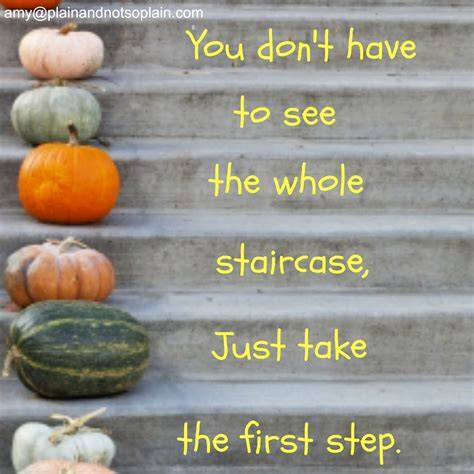
Avoid drastic diet shifts. Instead, follow the SMART approach (Specific, Measurable, Achievable, Realistic, Time-bound).
Start simple: add one serving of fruits or vegetables per day.
3. Stock Your Kitchen with Healthy Foods
When your pantry is filled with nutritious options, making healthy meals becomes effortless.
Focus on:
- Whole grains
- Lean proteins
- Fresh or frozen vegetables
- Healthy fats
4. Cut Back on Ultra-Processed Foods
Limit foods high in:
- Added sugars
- Saturated fats
- Sodium
These often provide calories without essential nutrients.
5. Plan and Prep Your Meals
Meal planning reduces stress and prevents unhealthy last-minute choices.
Tips:
- Cook in batches
- Use leftovers
- Plan weekly menus
6. Swap Unhealthy Snacks
Replace chips and sweets with:
- Nuts and seeds
- Yogurt
- Fresh fruit
Healthy snacks keep you energized and prevent overeating.
7. Make Better Choices When Eating Out
You can still eat healthy at restaurants:
- Choose grilled or steamed dishes
- Ask for sauces on the side
- Avoid creamy or fried options
8. Eat Healthy on a Budget
Healthy eating doesn’t have to be expensive:
- Buy seasonal produce
- Choose frozen fruits and veggies
- Cook at home more often
9. Don’t Skip Meals
Skipping meals can lead to:
- Overeating later
- Mood swings
- Slower metabolism
Aim for regular, balanced meals throughout the day.
10. Drink More Water
Hydration supports:
- Brain function
- Digestion
- Energy levels
General guideline:
- Women: ~9 cups/day
- Men: ~13 cups/day
11. Move Your Body Daily
Healthy eating works best when paired with physical activity.
Aim for 150 minutes of moderate exercise per week.
12. Prioritize Sleep
Lack of sleep affects hunger hormones, leading to cravings and weight gain.
Aim for 7–9 hours per night.
13. Manage Stress Effectively
Chronic stress can trigger emotional eating and fat storage.
Try:
- Meditation
- Yoga
- Walking
- Hobbies
14. Practice Mindful Eating
Slow down and pay attention to your food:
- Eat without distractions
- Listen to hunger cues
- Enjoy each bite
This helps prevent overeating.
15. Increase Protein Intake
Protein helps you feel full longer and supports metabolism.
Good sources include:
- Eggs
- Chicken
- Fish
- Beans
16. Limit Alcohol Consumption
Too much alcohol adds empty calories and affects health.
Recommended limits:
- Women: 1 drink/day
- Men: 2 drinks/day
17. Read Food Labels
Understanding labels helps you make smarter choices.
Look for:
- High fiber, vitamins, minerals
Avoid: - Added sugars
- Excess sodium
- Saturated fats
18. Eat More Fiber
Fiber supports digestion and keeps you full.
Best sources:
- Fruits and vegetables
- Whole grains
- Legumes
- Nuts and seeds
19. Get Enough Calcium & Vitamin D
These nutrients are essential for bone health.
Include:
- Dairy or fortified plant-based milk
- Leafy greens
- Fatty fish
Final Thoughts
Healthy eating isn’t about perfection—it’s about progress. By making small, consistent changes like drinking more water, eating whole foods, and planning meals, you can build habits that last a lifetime.
Leave a Reply