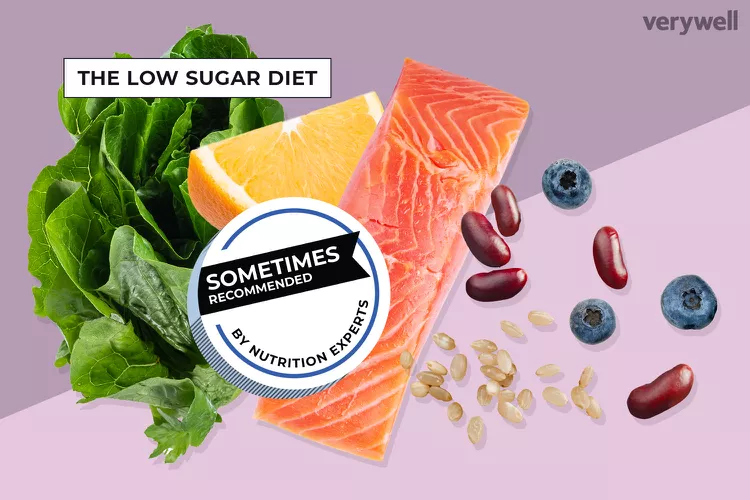
Low Sugar Diet Guide: Benefits, Food List & How to Get Started (Beginner-Friendly)Smart Eating: How to Read Nutrition Labels Accurately
Reducing sugar intake has become one of the most effective ways to improve overall health. But what exactly is a low sugar diet, and how can you follow it without feeling restricted?
This SEO-friendly guide breaks down everything you need to know—from benefits and food choices to practical tips for long-term success.
What Is a Low Sugar Diet?
A low sugar diet focuses on reducing added sugars and limiting foods that quickly convert into sugar in the body (like refined carbohydrates).
Unlike strict “no-sugar” plans, this approach still allows natural sugars found in whole foods like fruits and vegetables.
The main goal:
Maintain stable blood sugar (glucose) levels while supporting overall health.
Why Follow a Low Sugar Diet?
Cutting back on sugar offers powerful health benefits:
1. Supports Weight Loss
Excess sugar often leads to calorie overload and fat storage. Reducing it helps control appetite and body weight.
2. Improves Heart Health
Lower sugar intake can reduce LDL (bad cholesterol) and increase HDL (good cholesterol). 3. Reduces Risk of Type 2 Diabetes
Managing sugar intake helps stabilize blood glucose and improves insulin sensitivity.
4. Boosts Mood & Energy
Stable blood sugar = fewer crashes, better focus, and improved emotional balance.
5. Fights Inflammation
High sugar intake is linked to chronic inflammation, which contributes to many diseases.
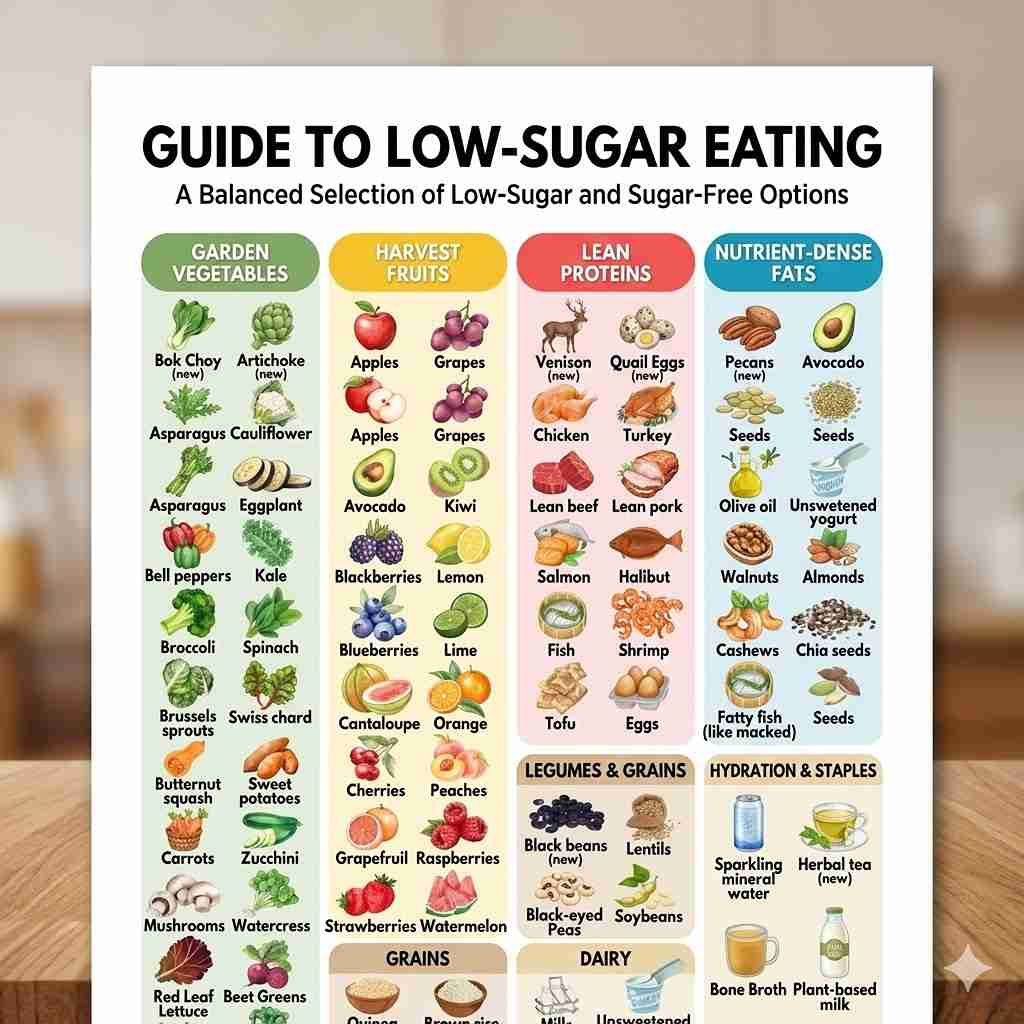
What Can You Eat on a Low Sugar Diet?
Focus on whole, nutrient-dense foods:
Vegetables (Low Sugar, High Nutrients)
- Spinach, kale, broccoli, cabbage
- Rich in fiber, vitamins, and antioxidants
Fruits (Choose Low-Glycemic Options)
- Berries (blueberries, strawberries)
- Citrus fruits (orange, grapefruit)
Whole Grains
- Quinoa, brown rice, oats
- Provide slow-releasing energy
Beans & Legumes
- Lentils, chickpeas, black beans
- High in protein and fiber
Healthy Fats
- Avocados, nuts, seeds, olive oil
Lean Protein & Fatty Fish
- Chicken, eggs, salmon, sardines
- Support satiety and muscle health
Herbs & Spices
- Turmeric, cinnamon, cumin
- Add flavor without sugar
Foods to Avoid or Limit
To succeed, reduce these high-sugar or high-glycemic foods:
Refined sugar (candies, desserts)
Sugary drinks (soda, energy drinks, sweet coffee)
white bread, pasta, refined grains
Processed snacks (chips, packaged foods)
Alcohol (especially sweet wines & cocktails)
Tip: Always check food labels—hidden sugars are common!
Sample 3-Day Low Sugar Meal Plan
Day 1
- Breakfast: Spinach + egg oatmeal bowl
- Lunch: Veggie wrap + lentil soup
- Dinner: Grilled shrimp + quinoa
Day 2
- Breakfast: Vegetable omelet + smoothie (no added sugar)
- Lunch: Kale & quinoa salad
- Dinner: Baked salmon + asparagus
Day 3
- Breakfast: Quinoa bowl with berries & almonds
- Lunch: Avocado chicken salad
- Dinner: Grilled kebabs + couscous
Pros and Cons of a Low Sugar Diet
Pros
- Helps with weight management
- Supports heart and metabolic health
- Flexible and sustainable
- Encourages whole food eating
Cons
- Requires label reading
- May not suit high-intensity athletes
- Risk of over-restriction if not balanced
Tips to Succeed on a Low Sugar Diet
Eat every 3–4 hours to maintain energy
Combine protein + fiber to stay full longer
Replace sugar cravings with fruit or healthy snacks
Get enough sleep (lack of sleep increases sugar cravings)
Stay hydrated
Is a Low Sugar Diet Right for You?
A low sugar diet works well for most people, especially if you:
- Want to lose weight
- Have prediabetes or diabetes
- Aim to improve long-term health
However, it should always be balanced and personalized. Athletes or highly active individuals may need more carbohydrates.
Final Thoughts
A low sugar diet isn’t about eliminating all sweetness—it’s about making smarter, sustainable choices. By focusing on whole foods and reducing added sugars, you can improve your energy, protect your health, and build a long-term healthy lifestyle.
Start small: cut sugary drinks, read labels, and swap refined foods for whole alternatives. Over time, these simple changes can lead to powerful results.
Leave a Reply