
18 Proven Techniques to Beat Procrastination and Boost Productivity10 Daily Habits That Will Help You Change Your Life for the Better
Introduction
Procrastination is one of the biggest obstacles to productivity—even for highly motivated professionals. Whether it’s delaying important tasks or getting stuck in a cycle of distraction, procrastination can quietly limit your success.
The good news? You can overcome it.
Drawing inspiration from insights shared by the Forbes Coaches Council, this guide outlines 18 proven techniques to help you stop procrastinating and start taking action immediately.
Why We Procrastinate
Before fixing procrastination, it’s important to understand its root causes:
- Feeling overwhelmed
- Lack of clarity
- Fear of failure
- Low motivation
- Distractions
The key is not forcing productivity—but removing resistance and building momentum.
18 Powerful Ways to Stop Procrastinating
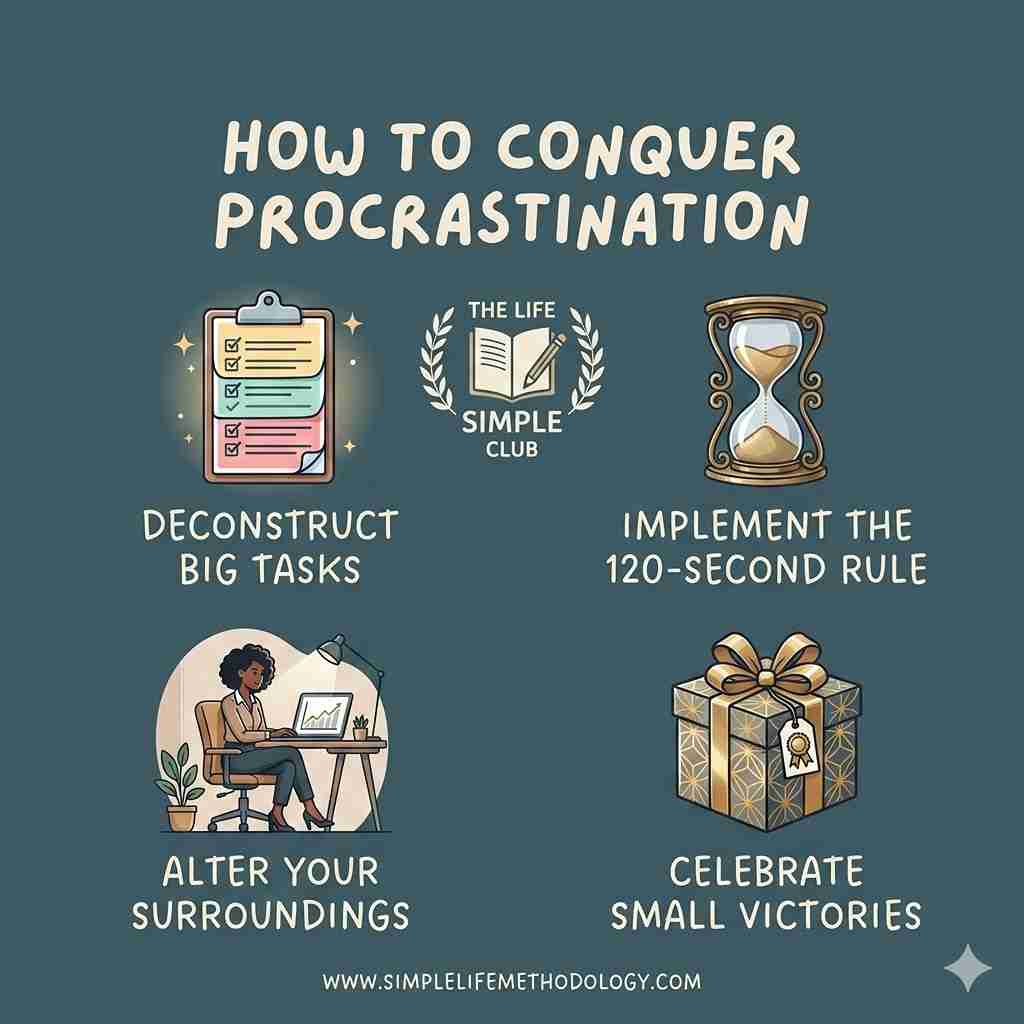
1. Listen to a “Power Music” Playlist
Music can instantly shift your mood and energy.
Create a playlist that motivates you and play it when you feel stuck.
2. Start with One Small Task
Don’t try to do everything at once.
Complete just one task to build momentum and motivation.
3. Act Like Someone You Admire
Ask yourself:
“What would a successful person do right now?”
Then act accordingly.
4. Use the R.E.S.E.T. Method
- Remind yourself of your goal
- Evaluate your mindset
- Show self-compassion
- Explore solutions
- Take action
This helps you break out of negative thinking.
5. Focus on the Final Outcome
Visualize the result of completing your task.
This builds motivation and emotional drive.
6. Make Tasks Personally Meaningful
Connect your work to a deeper purpose.
When tasks feel meaningful, they become easier to start.
7. Identify “Procrastination Traps”
Watch out for tasks that feel productive but aren’t urgent.
Focus on what truly matters—not what feels easy.
8. Write a Daily To-Do List
A simple list helps you:
- Stay organized
- Prioritize effectively
- Take action faster
Writing tasks makes them real and actionable.
9. Gather Information First
Sometimes procrastination comes from uncertainty.
Ask: “What do I need to know to move forward?”
10. Turn Procrastination into Creativity
Not all delays are bad.
Use this time to reflect, brainstorm, and generate ideas.
11. Ask Yourself Honest Questions
- What am I avoiding?
- Why am I procrastinating?
Awareness leads to better decisions.
12. Use the “One Thing” Rule
Focus on completing just one important action.
This reduces overwhelm and increases progress.
13. Do the Hardest Task First
Also known as “Eat the Frog.”
Finish your toughest task early to free your mind.
14. Apply the Two-Minute Rule
If a task takes less than 2 minutes—do it immediately.
This builds a habit of action.
15. Use Time Blocks and Timers
Set a timer and commit to working for a fixed period.
Even 25 minutes of focus can make a big difference.
16. Think About Tomorrow
Ask yourself:
“How will I feel tomorrow if I don’t do this today?”
This creates urgency and accountability.
17. Start with Easy Wins
Begin with small, simple tasks.
Early wins build confidence and momentum.
18. Prioritize Clarity
Break tasks into smaller steps and define your “why.”
Clear goals lead to faster action.
Pro Tips to Stay Consistent
- Eliminate distractions (phone, notifications)
- Set realistic goals
- Reward yourself after completing tasks
- Track your progress
Conclusion
Procrastination isn’t a personality flaw—it’s a habit you can change.
By applying these 18 practical techniques, you can:
- Improve focus
- Take action faster
- Achieve more in less time
Start small. Build momentum. Stay consistent.
FAQs
1. What is the main cause of procrastination?
It’s often caused by overwhelm, fear, or lack of clarity.
2. What is the fastest way to stop procrastinating?
Start with one small task or use the two-minute rule.
3. Does time blocking really work?
Yes, it helps reduce distractions and improves focus.
4. How do I stay motivated long-term?
Set clear goals, track progress, and celebrate small wins.
5. Can procrastination ever be useful?
In some cases, it can lead to creative thinking—but should be managed carefully.
Final Thought
Action creates motivation—not the other way around.
Start now, even if it’s small. That’s how real productivity begins.
Leave a Reply