
How to Build a Science-Based Daily Routine for Maximum Productivity and Well-Being
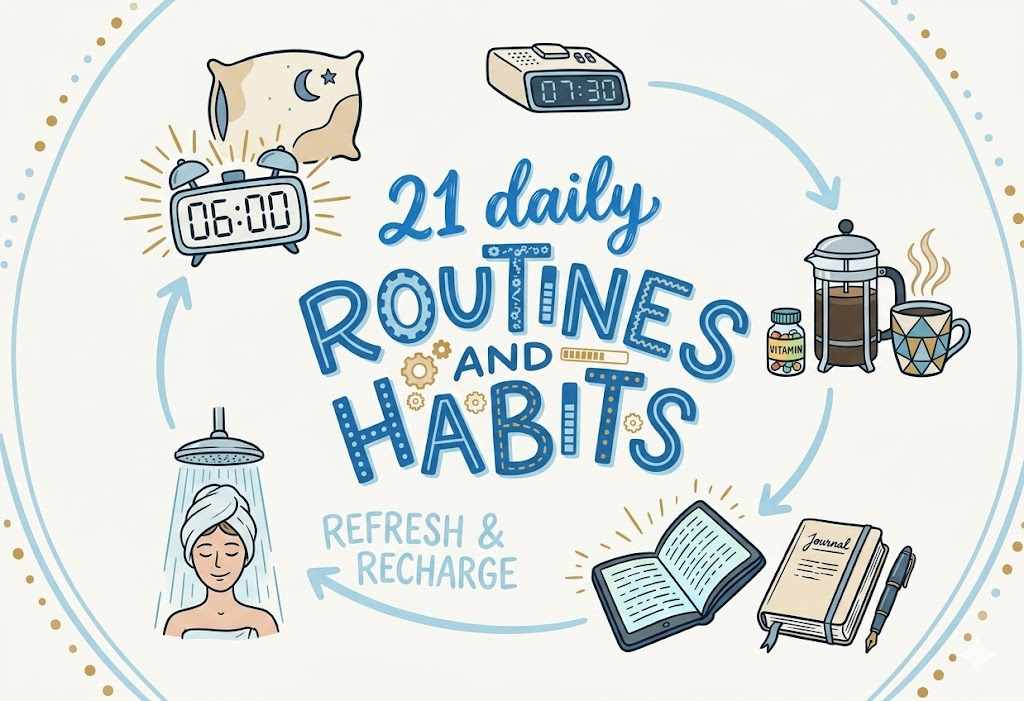
Introduction
Want to boost your productivity, improve focus, and feel more energized every day? The secret isn’t working harder—it’s working smarter by aligning your routine with your body’s natural rhythms.
A science-based daily routine helps you plan tasks around your energy levels, maintain consistent habits, and create a balanced lifestyle that supports both performance and well-being.
In this guide, you’ll learn how to design a daily routine backed by science that actually works.
Why a Science-Based Routine Works
Your body follows a natural internal clock called the Circadian Rhythm, which controls:
- Sleep cycles
- Energy levels
- Hormone release
- Focus and alertness
When you align your schedule with this rhythm, you naturally improve productivity and reduce burnout.
Key Principles of a Science-Based Daily Routine
1. Work With Your Body Clock
Your energy isn’t constant—it rises and falls throughout the day.
- Morning & early afternoon: Peak focus → Do deep work
- Midday dips: Lower energy → Take breaks or do light tasks
- Evening: Wind down → Relax and recover
Plan demanding tasks when your energy is highest.
2. Maintain Consistency
Consistency helps regulate your internal clock.
Benefits include:
- Better sleep quality
- Improved digestion
- Reduced decision fatigue
- Increased mental clarity
Go to bed and wake up at the same time every day—even on weekends.
3. Manage Mental Energy
Your brain gets tired with too many decisions.
To stay sharp:
- Group similar tasks together
- Avoid multitasking
- Take intentional breaks
Protect your focus like a valuable resource.
5 Steps to Build Your Daily Routine
Step 1: Track Your Energy Levels
Spend 5–7 days observing:
- When you feel most focused
- When your energy drops
- Your sleep patterns
Use a simple scale (High / Medium / Low) to identify patterns.
Step 2: Optimize Sleep and Morning Habits
Quality sleep is the foundation of productivity.
Morning routine ideas:
- Get natural sunlight for 10 minutes
- Drink water to rehydrate
- Do light stretching or a short walk
Aim for 7–9 hours of sleep consistently.
Step 3: Schedule Work, Breaks, and Meals
Structure your day based on energy cycles:
- 90 minutes work + 15–20 min break
- Schedule meals at regular times
- Avoid long, uninterrupted work sessions
This keeps your energy stable throughout the day.
Step 4: Add Exercise and Learning Tim
Your routine should include growth and movement.
- Exercise: 30–45 minutes daily
- Learning: 20–30 minutes (reading, courses)
These habits boost both physical health and mental performance.
Step 5: Prioritize Mental Well-Being
Don’t ignore your mental health.
Add simple practices like:
- Journaling (5–10 minutes)
- Deep breathing breaks
- Evening meditation or stretching
A calm mind leads to better focus and decisions.
How to Adjust Your Routine Over Time
No routine is perfect forever.
Regularly ask yourself:
- When do I feel most productive?
- Which tasks feel harder than they should?
- Are my breaks helping me recharge?
Make small adjustments based on your energy and lifestyle changes.
Adapt to Seasonal Changes
Your energy levels can shift with seasons.
- Get more sunlight when possible
- Adjust activity timing
- Modify sleep patterns if needed
Stay flexible while maintaining consistency.
Benefits of a Science-Based Routine
When done right, this approach can help you:
- Improve focus and productivity
- Reduce stress and burnout
- Build sustainable habits
- Achieve better work-life balance
It’s not about strict schedules—it’s about working with your body, not against it.
Conclusion
A science-based daily routine is one of the most effective ways to upgrade your life.
By aligning your habits with your natural rhythms, you can:
- Work more efficiently
- Feel more energized
- Build long-term success
Start small, stay consistent, and adjust as you go.
FAQs
1. What is a science-based daily routine?
It’s a routine designed around your body’s natural rhythms and energy patterns.
2. How long does it take to build a routine?
It varies, but consistent practice over a few weeks can create lasting habits.
3. What is the best time to do deep work?
Usually during your peak energy periods—often in the morning or early afternoon.
4. How important is sleep in productivity?
Extremely important—sleep directly affects focus, memory, and energy.
5. Can I customize this routine?
Yes—your routine should match your personal energy patterns and lifestyle.
Final Thought
Your productivity isn’t about doing more—it’s about doing the right things at the right time.
Design your day around your biology, and you’ll unlock your full potential.
Leave a Reply