Nutrition Guide: How to Eat Healthy, Boost Energy, and Prevent Disease10 Golden Principles of Nutrition to Help You Live Healthily Every Day
Proper nutrition is the foundation of a healthy life. It fuels your body, supports your immune system, and helps protect against chronic diseases like heart disease, diabetes, and cancer. But with busy schedules and endless food choices, maintaining a balanced diet can feel confusing.
This complete guide breaks down everything you need to know about nutrition—from essential nutrients to healthy foods, supplements, and practical meal prep tips.
What Is Nutrition and Why Is It Important?
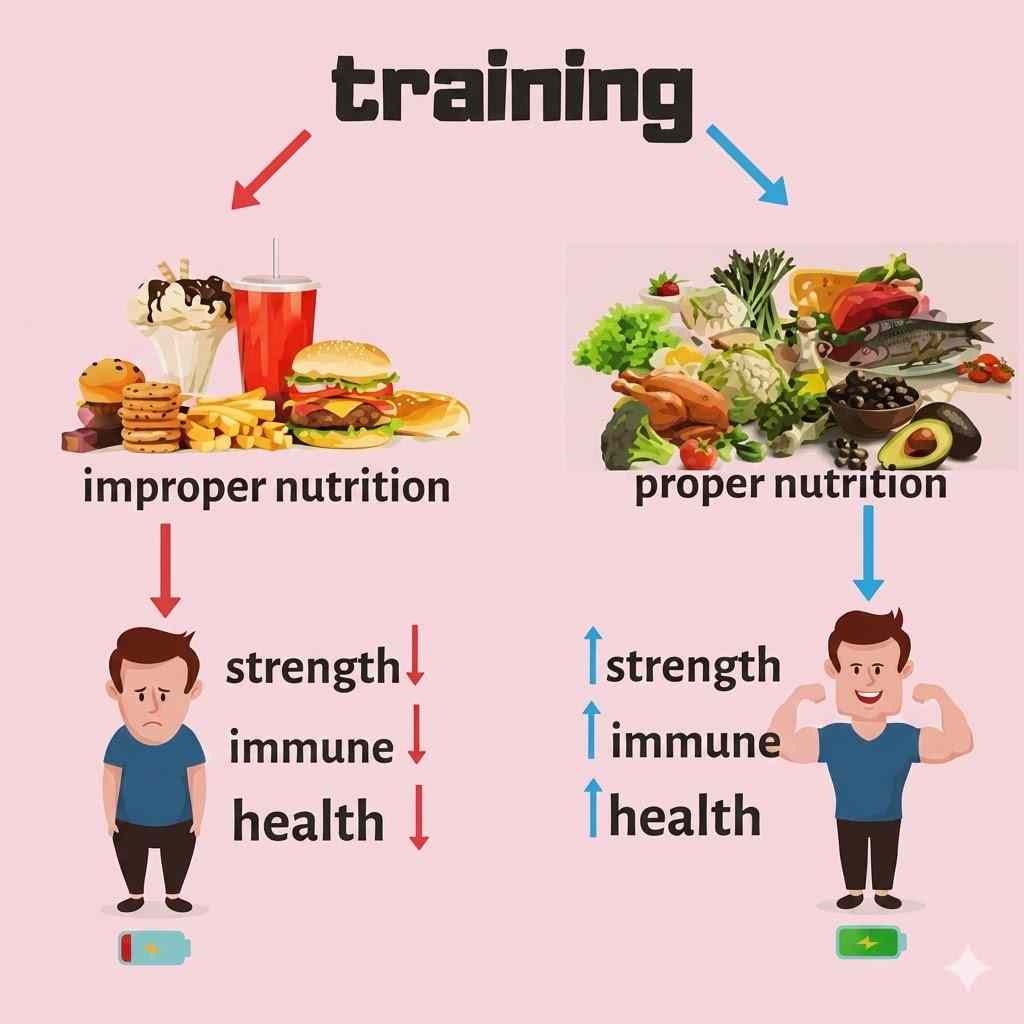
Nutrition is the process of consuming and using food to support your body’s functions. Every bite you eat provides nutrients that your body needs to:
- Maintain brain function and mental clarity
- Build and repair muscles and tissues
- Support bone health and blood circulation
- Strengthen the immune system
Good nutrition also plays a key role in preventing diseases such as:
- Heart disease
- Diabetes
- Cancer
- Osteoporosis
Macronutrients vs. Micronutrients
Understanding nutrients is essential for building a balanced diet.
Macronutrients (Needed in Large Amounts)
These provide energy (calories) and support body structure:
- Carbohydrates – main energy source
- Protein – builds and repairs tissues
- Fats – support brain health and hormone function
Micronutrients (Needed in Small Amounts)
These include vitamins and minerals that regulate body processes:
- Water-soluble vitamins (B-complex, C)
- Fat-soluble vitamins (A, D, E, K)
- Minerals (calcium, iron, zinc, etc.)
What Foods Are Considered Healthy?
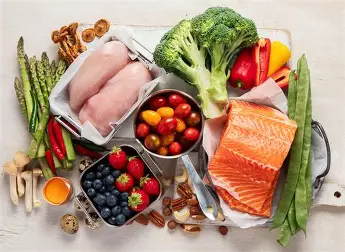
Research supports plant-based eating patterns such as the Mediterranean Diet and the DASH Diet, which are linked to lower risks of chronic diseases.
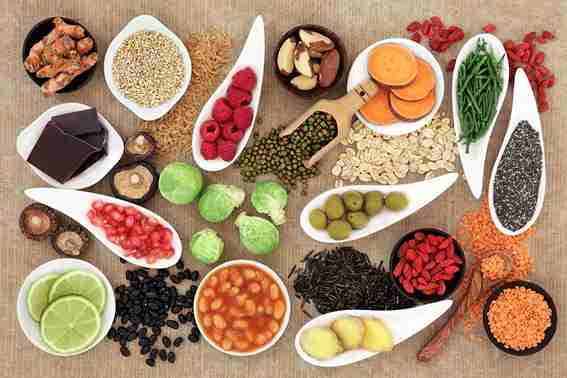
Top Nutrient-Dense “Superfoods”
Incorporate these foods regularly for optimal health:
- Berries – rich in fiber and antioxidants
- Fatty fish – high in omega-3 (salmon, mackerel, sardines)
- Leafy greens – packed with vitamins A, C, and calcium
- Nuts – healthy fats and plant protein
- Olive oil – heart-healthy fats and antioxidants
- Whole grains – fiber and B vitamins
- Yogurt – probiotics for gut health
- Cruciferous vegetables – support cancer prevention
- Legumes – excellent source of fiber and protein
What Does a Balanced Meal Look Like?
A simple way to build healthy meals is inspired by the Harvard T.H. Chan School of Public Health Healthy Eating Plate:
- ½ plate: vegetables and fruits
- ¼ plate: whole grains
- ¼ plate: lean protein
This balance helps ensure your body gets the nutrients it needs without excess calories.
Should You Take Daily Vitamins?
Dietary supplements include vitamins, minerals, and multivitamins. While popular, they are not always necessary.
When Supplements May Help:
- Diagnosed nutrient deficiencies
- Restricted diets (e.g., vegans needing B12)
- Certain medical conditions affecting absorption
- Older adults needing extra vitamin D or calcium
For most healthy individuals, a balanced diet provides all essential nutrients.
Always consult a healthcare professional before starting supplements.
Nutrition for Adults Over 50
As you age, nutrition becomes even more important for maintaining energy and preventing disease.
Key Principles for Healthy Aging:
- Eat more plant-based foods (vegetables, fruits, whole grains)
- Get enough protein (especially from fish and plant sources)
- Limit processed foods
- Reduce sugar, sodium, and saturated fats
Interestingly, research shows that food quality matters more than strict diet rules like low-fat or low-carb.
Easy Meal Prep Ideas for a Healthy Lifestyle
Healthy eating becomes easier with proper planning. Meal prep can:
- Save time and money
- Reduce stress about daily meals
- Help control portion sizes
Simple Meal Prep Steps
1. Plan Your Meals
- Choose recipes for 2–3 days
- Create a grocery list
2. Pick a Prep Day
- Shop, cook, and store meals in advance
3. Cook Efficiently
- Start with foods that take longest
- Prep ingredients while cooking
4. Make Extra Portions
- Save or freeze meals for later
5. Store Smartly
- Label food with dates
- Keep fresh items visible
Healthy Kitchen Staples
Keeping your kitchen stocked makes healthy eating easier.
Fridge Essentials:
- Fresh fruits and vegetables
- Yogurt and eggs
- Lean proteins (chicken, fish)
Freezer:
- Frozen vegetables and berries
- Fish and poultry
Pantry:
- Brown rice, quinoa, oats
- Whole-grain pasta and bread
- Beans, nuts, seeds
- Olive oil, herbs, and spices
Final Thoughts
Nutrition doesn’t have to be complicated or expensive. By focusing on whole, minimally processed foods and maintaining a balanced diet, you can significantly improve your health and energy levels.
Start small—add more vegetables to your meals, drink more water, and plan ahead. Over time, these simple habits will lead to lasting, positive changes for you and your family.
Leave a Reply