
When Clean Eating Goes Too Far: The Hidden Risk of Disordered Eating
Meta Description: Clean eating can improve your health—but taken to extremes, it may lead to disordered eating or orthorexia. Learn the warning signs, risks, and how to maintain a balanced, healthy relationship with food.
Introduction: The Rise of Clean Eating
In recent years, clean eating has become one of the most popular health trends worldwide. With growing awareness about nutrition, many people are choosing whole foods, reducing processed ingredients, and prioritizing balanced meals rich in protein, fiber, and essential nutrients.
Social media platforms are filled with “clean recipes,” meal prep ideas, and nutrition advice encouraging healthier lifestyles. And to be clear—this shift toward whole, nutrient-dense foods is largely a positive change.
Research consistently shows that diets high in ultra-processed foods are linked to increased risks of chronic diseases such as heart disease, diabetes, and even mental health issues. Meanwhile, whole-food-based diets can significantly improve overall well-being.
However, like many health trends, clean eating can become harmful when taken to extremes.
What Is Disordered Eating?
Disordered eating refers to unhealthy patterns of eating that may not meet the criteria for a formal eating disorder but can still negatively impact physical and mental health.
One specific condition often linked to extreme clean eating is Orthorexia.
What Is Orthorexia?
Orthorexia is an unhealthy obsession with eating only foods considered “pure,” “clean,” or “healthy.” While it may start as a positive intention, it can evolve into a rigid and restrictive lifestyle that interferes with daily life, relationships, and mental health.
When Healthy Eating Becomes Unhealthy
Eating nutritious foods should support your life—not control it. The problem begins when clean eating turns into perfectionism or obsession.
Mental health experts warn that what starts as mindful eating can gradually lead to:
- Increased anxiety around food choices
- Social isolation
- Nutritional deficiencies
- Constant stress about maintaining a “perfect” diet
Signs Your Clean Eating Habits Have Gone Too Far
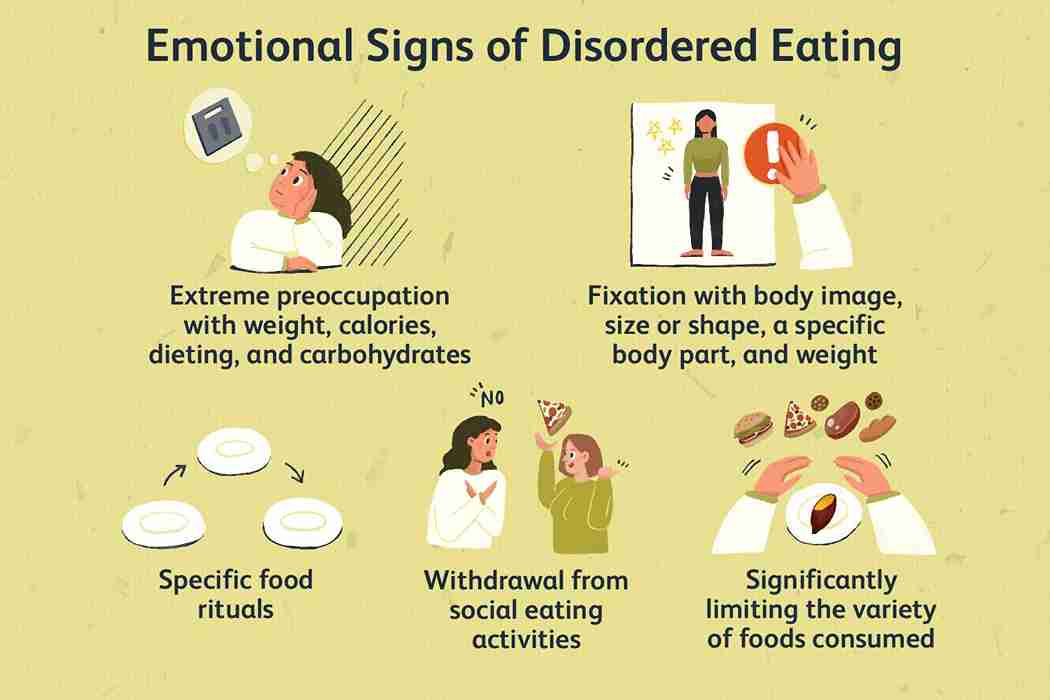
Recognizing the warning signs early is crucial. Here are common red flags that healthy eating may have become disordered:
1. Obsessive Thoughts About Food
If you spend a large portion of your day thinking about what to eat, how to prepare it, or whether it’s “clean enough,” it may indicate an unhealthy fixation.
2. Avoiding Social Situations
Skipping dinners, parties, or outings because you fear there won’t be “safe” food options is a key sign of imbalance.
3. Eliminating Entire Food Groups
Cutting out foods without medical necessity (like carbs or fats) can lead to nutritional deficiencies.
4. Extreme Food Restrictions
Your diet becomes increasingly limited as you only allow “pure” or “natural” foods.
5. Anxiety Around Food Availability
Feeling stressed or anxious when you can’t access your preferred “healthy” foods.
6. Choosing Hunger Over Flexibility
Avoiding eating altogether if “clean” options aren’t available.
7. Judging Yourself or Others
Feeling superior for eating “clean” or judging others’ food choices.
A Real-Life Example of Balance vs. Obsession
Imagine going out to dinner with friends:
- A balanced eater chooses something nutritious but still enjoys the experience, stays flexible, and shares food.
- Someone struggling with orthorexia may:
- Overanalyze the menu in advance
- Refuse to share food
- Feel anxious rather than joyful about eating
The key difference lies in flexibility vs. rigidity.
Why Extreme Clean Eating Can Be Harmful
Ironically, striving for perfect health can lead to the opposite outcome.
Mental Health Impact
- Increased stress and anxiety
- Guilt around eating
- Reduced enjoyment of food
Physical Health Risks
- Nutrient deficiencies
- Low energy levels
- Hormonal imbalances
Social Consequences
- Isolation from friends and family
- Strained relationships
How to Maintain a Healthy Balance
A truly healthy diet is not about perfection—it’s about consistency and flexibility.
1. Focus on Variety
Include a wide range of foods to ensure balanced nutrition.
2. Allow Room for Enjoyment
It’s okay to eat foods purely for pleasure—not everything needs to be “healthy.”
3. Avoid Labeling Foods as “Good” or “Bad”
This mindset can create guilt and unhealthy restrictions.
4. Listen to Your Body
Hunger, fullness, and cravings are natural signals—not something to ignore.
5. Reduce Food-Related Stress
Remember: stress itself negatively impacts health.
How to Support Someone Struggling
If you’re concerned about a friend or loved one:
- Start with a gentle, non-judgmental conversation
- Express concern, not criticism
- Encourage professional help if needed
A simple check-in can make a big difference.
When to Seek Professional Help
If clean eating is affecting your daily life, mental health, or relationships, it’s important to seek support from a healthcare professional or therapist specializing in eating disorders.
Final Thoughts
Clean eating can be a powerful way to improve your health—but only when approached with balance.
Remember:
- Healthy eating should enhance your life, not control it
- Flexibility is key to long-term wellness
- Perfection is not the goal—sustainability is
By maintaining a balanced mindset, you can enjoy the benefits of nutritious eating without falling into the trap of disordered habits.
SEO Keywords: clean eating, disordered eating, orthorexia, healthy eating balance, risks of clean eating, nutrition and mental health, eating disorder awareness
Leave a Reply