
The Science Behind HIIT: Why It Burns More Fat in Less Time (2026 Guide)
High-Intensity Interval Training (HIIT) has become one of the most powerful fitness methods for fat loss, performance, and time efficiency. Unlike traditional cardio, HIIT combines short bursts of intense effort with recovery periods—triggering unique physiological responses that help your body burn more fat in less time.
In this SEO-optimized guide, you’ll discover the science behind HIIT, its key benefits, and how to structure an effective workout for maximum results.
What Is HIIT and Why Is It So Effective?
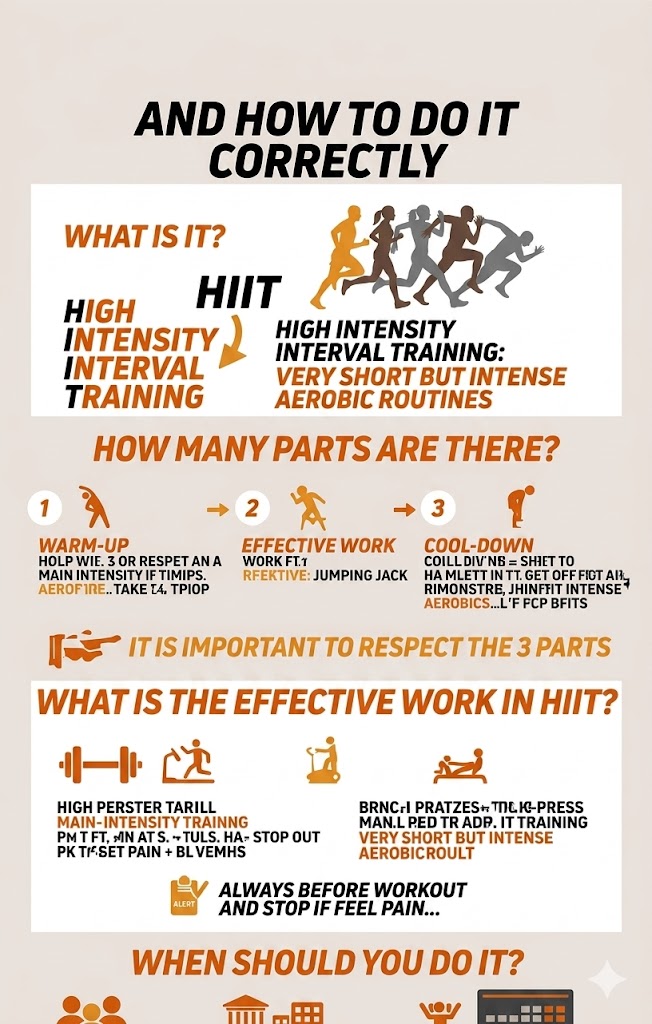
HIIT (High-Intensity Interval Training) alternates between:
- Short bursts of maximum effort
- Recovery periods (active or complete rest)
This structure pushes your body beyond its comfort zone, activating both aerobic and anaerobic energy systems.
HIIT vs. Traditional Cardio
| HIIT | Steady-State Cardio |
|---|---|
| Short, intense intervals | Continuous moderate pace |
| Higher calorie burn post-workout | Burns calories mainly during exercise |
| Improves strength + endurance | Primarily improves endurance |
| Time-efficient (20–40 min) | Longer sessions required |
Key takeaway: HIIT doesn’t just burn calories—it changes how your body burns energy.
The Science of HIIT Fat Burning

1. The Afterburn Effect (EPOC)
The biggest advantage of HIIT is the afterburn effect, scientifically known as Excess Post-Exercise Oxygen Consumption (EPOC).
After a HIIT session, your body continues to:
- Restore oxygen levels
- Repair muscle tissue
- Replenish energy stores
This process requires extra energy—meaning you continue to burn calories for hours after your workout ends.
2. Higher Fat Loss in Less Time
Research shows that HIIT can:
- Burn more fat than steady cardio
- Deliver results in shorter workout durations
- Improve body composition faster
This makes HIIT ideal for busy individuals who want maximum results with limited time.
Metabolic & Hormonal Benefits of HIIT
HIIT triggers powerful internal changes that enhance fat loss:
Boosts Fat-Burning Hormones
- Increases adrenaline → mobilizes fat for energy
- Stimulates growth hormone → supports fat loss & muscle growth
Improves Insulin Sensitivity
- Helps regulate blood sugar
- Reduces fat storage
Preserves Lean Muscle Mass
- Unlike long cardio sessions, HIIT helps maintain or build muscle
- More muscle = higher resting metabolism
Result: Your body becomes more efficient at burning fat—even at rest.
HIIT Benefits Beyond Fat Loss
While fat burning is a major advantage, HIIT offers much more:
1. Improved Cardiovascular Fitness
- Enhances heart efficiency
- Increases VO₂ max (oxygen capacity)
2. Builds Strength & Muscle Tone
- Especially when combined with resistance exercises
- Supports functional fitness
3. Time Efficiency
- Workouts typically last 20–40 minutes
- Ideal for busy lifestyles
4. Mental Health Boost
- Releases endorphins
- Reduces stress and improves focus
How to Structure an Effective HIIT Workout
A well-designed HIIT session balances intensity, recovery, and exercise selection.
Basic HIIT Formula
- 30 seconds: maximum effort
- 30–60 seconds: rest or active recovery
- Repeat for 15–30 minutes
Example HIIT Workout
Warm-Up (5 minutes):
- Jumping jacks
- Dynamic stretching
Main Workout (20 minutes):
- Burpees – 30s
- Rest – 30s
- Squat jumps – 30s
- Rest – 30s
- Mountain climbers – 30s
- Rest – 30s
Repeat 3–4 rounds.
Cool Down (5 minutes):
- Light stretching
- Slow walking
Common HIIT Mistakes to Avoid
1. Overtraining
HIIT is intense—doing it daily can lead to:
- Fatigue
- Injury
- Burnout
Aim for 2–4 sessions per week
2. Poor Form
Speed should never compromise technique.
Focus on controlled, high-quality reps
3. Ignoring Recovery
Recovery is essential for:
- Muscle repair
- Performance improvement
Include rest days and proper sleep.
4. Not Adapting to Your Level
- Beginners: longer rest periods
- Advanced: shorter recovery, higher intensity
Why HIIT Works Better in a Structured Environment
While you can do HIIT alone, structured training offers advantages:
- Coaching: Ensures proper form and intensity
- Motivation: Group energy boosts performance
- Consistency: Easier to stay committed
Training with others often helps you push beyond your limits safely and effectively.
Final Thoughts: Is HIIT Worth It?
The science is clear—HIIT is one of the most efficient ways to:
- Burn fat quickly
- Improve fitness levels
- Save time
- Build a stronger, leaner body
By combining intensity, smart programming, and proper recovery, HIIT delivers results that traditional cardio simply can’t match.
FAQ (SEO Optimized)
How often should I do HIIT?
2–4 times per week is ideal for most people.
Is HIIT good for beginners?
Yes, but intensity and rest periods should be adjusted.
How long should a HIIT workout last?
Typically 20–40 minutes.
Does HIIT burn belly fat?
HIIT reduces overall body fat, which includes belly fat over time.
Effective 7-Day Gym Workout Plan for Those Who Want to Build Muscle QuicklyConclusion
If you want maximum fat loss in minimal time, HIIT is one of the best training methods available in 2026. Its combination of afterburn effect, hormonal benefits, and efficiency makes it a powerful tool for anyone serious about fitness.
Start with a simple routine, stay consistent, and you’ll quickly see why HIIT continues to dominate the fitness world.
Leave a Reply