13 Best and Worst Foods for Stress: What to Eat (and Avoid) for Better Mental Health
Introduction
Stress is a normal part of life—but when it becomes chronic, it can seriously impact your mental and physical health.
From anxiety and poor sleep to heart disease, prolonged stress often stems from elevated cortisol levels, the body’s primary stress hormone. The good news? Your diet can play a powerful role in managing stress naturally.
In this guide, discover the best foods to reduce stress and the worst foods that may make it worse, along with simple tips to support emotional well-being.
How Food Affects Stress Levels
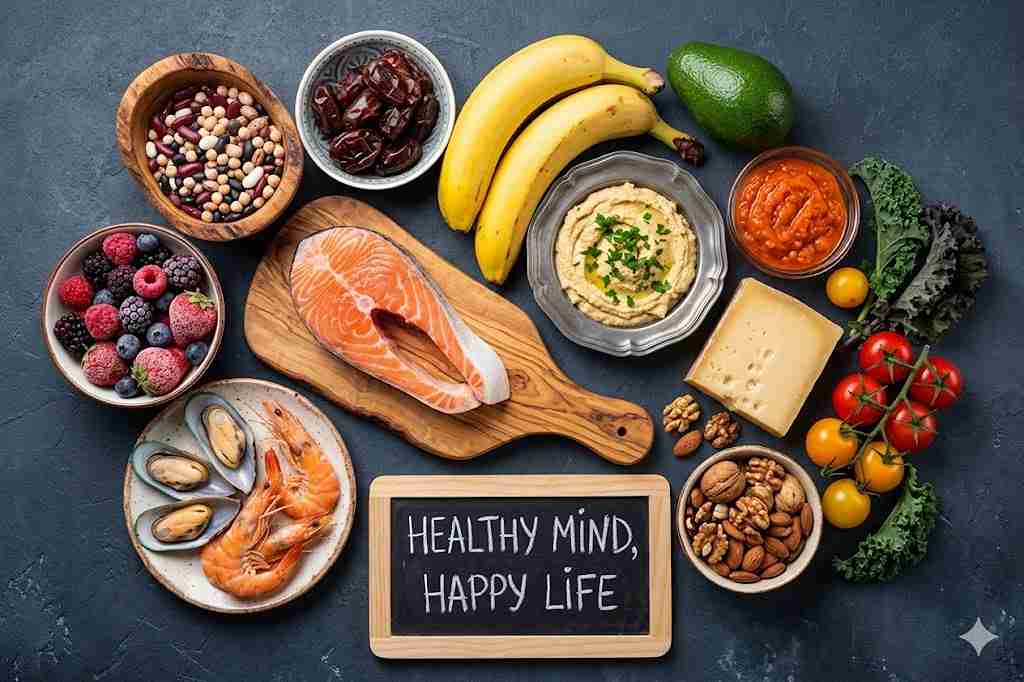
What you eat directly influences your brain chemistry and hormone balance.
Certain nutrients can:
- Lower cortisol levels
- Boost serotonin and dopamine (feel-good hormones)
- Reduce inflammation
- Support brain and nervous system health
The key is choosing foods that provide lasting stress relief, not just temporary comfort.
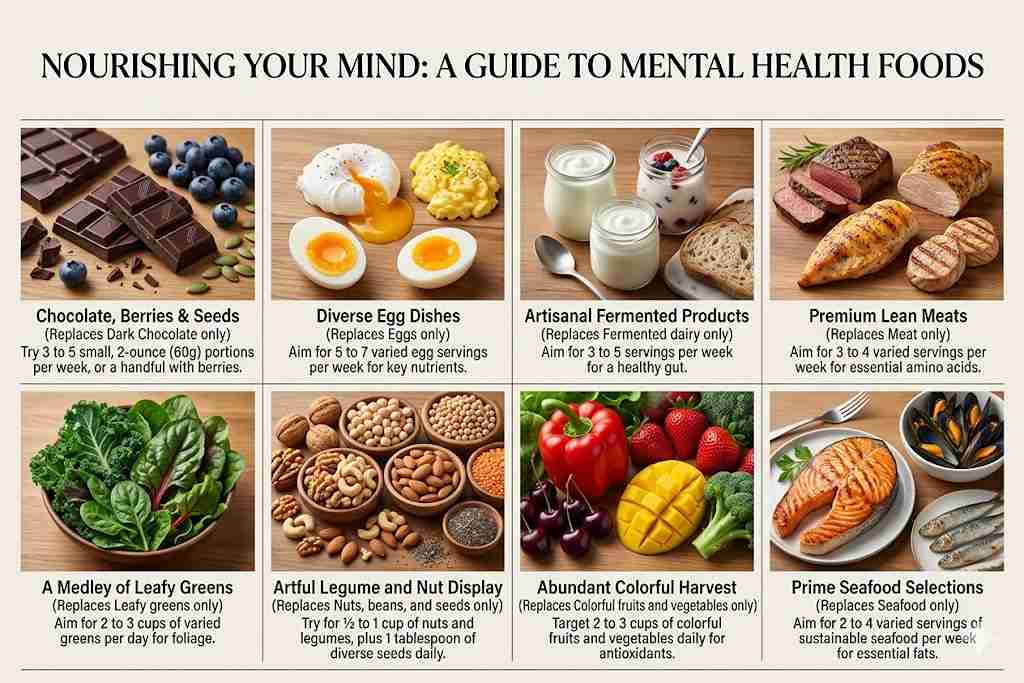
10 Best Foods to Help Reduce Stress
1. Complex Carbohydrates
Whole grains help increase serotonin levels, improving mood and relaxation.
Best sources:
- Oats
- Brown rice
- Quinoa
They also stabilize blood sugar, preventing mood swings.
2. Leafy Greens
Vegetables like spinach and kale are rich in magnesium.
Benefits:
- Regulates cortisol
- Reduces anxiety
- Supports nervous system
3. Fatty Fish (Omega-3 Rich)
Omega-3 fatty acids help reduce inflammation and stress hormones.
Examples:
- Salmon
- Mackerel
- Sardines
Also improves brain function and emotional resilience.
4. Nuts and Seeds
Packed with healthy fats, magnesium, and B vitamins.
Top choices:
- Almonds
- Walnuts
- Flaxseeds
- Sunflower seeds
Help stabilize mood and support brain health.
5. Avocados
A nutrient-dense fruit rich in B vitamins and healthy fats.
Benefits:
- Supports brain function
- Reduces anxiety
- Nourishes the nervous system
6. Berries
Loaded with antioxidants and vitamin C.
Examples:
- Blueberries
- Strawberries
- Raspberries
Help lower cortisol and protect against stress-related damage.
7. Dark Chocolate
A small treat that offers real benefits.
Why it works:
- High in antioxidants
- Contains magnesium
- Boosts mood
Choose chocolate with at least 70% cocoa.
8. Herbal Teas
Natural calming beverages for relaxation.
Best options:
- Chamomile
- Lavender
- Green tea
Green tea contains L-theanine, which promotes calmness.
9. Warm Soups and Stews
Comforting and nourishing at the same time.
Benefits:
- Provide steady energy
- Improve mental clarity
- Create a calming effect
10. Yogurt and Fermented Foods
Gut health plays a major role in stress levels.
Examples:
- Yogurt
- Kimchi
- Kefir
A healthy gut microbiome is linked to reduced anxiety.
3 Worst Foods That Increase Stress
1. Caffeine and Energy Drinks
Too much caffeine can:
- Increase anxiety
- Disrupt sleep
- Raise heart rate
Limit intake, especially in the afternoon and evening.
2. Sugary and Processed Foods
High sugar intake leads to:
- Blood sugar spikes and crashes
- Mood swings
- Increased stress
3. Alcohol
While it may feel relaxing at first, alcohol:
- Disrupts sleep
- Increases anxiety over time
- Affects mood stability
Healthy Eating Habits for Stress Management
1. Eat Regular Meals
Skipping meals can cause blood sugar imbalances, leading to irritability and stress.
2. Practice Mindful Eating
Slow down and focus on your meals.
This helps reduce emotional eating and improves digestion.
3. Stay Hydrated
Dehydration can increase cortisol levels.
Drink plenty of water and include hydrating foods like fruits and vegetables.
Final Thoughts
Managing stress isn’t just about relaxation techniques—it also starts with your plate.
By choosing nutrient-rich foods and avoiding stress-triggering ingredients, you can:
Improve mood
Reduce anxiety
Support long-term mental health
Start small—add a few stress-relieving foods to your diet and build healthier habits over time.
SEO Meta (Recommended)
- Meta Title: 13 Best and Worst Foods for Stress (What to Eat & Avoid)
- Meta Description: Discover the best and worst foods for stress. Learn how diet affects cortisol, mood, and mental health with expert tips.
- Slug: best-and-worst-foods-for-stress
Leave a Reply